Adresa: 2 Eftimie Murgu Square, 300041 Timișoara
Phone: +40256/494604
E-mail: sbarcea.laura@umft.ro
Head of the Academic Department

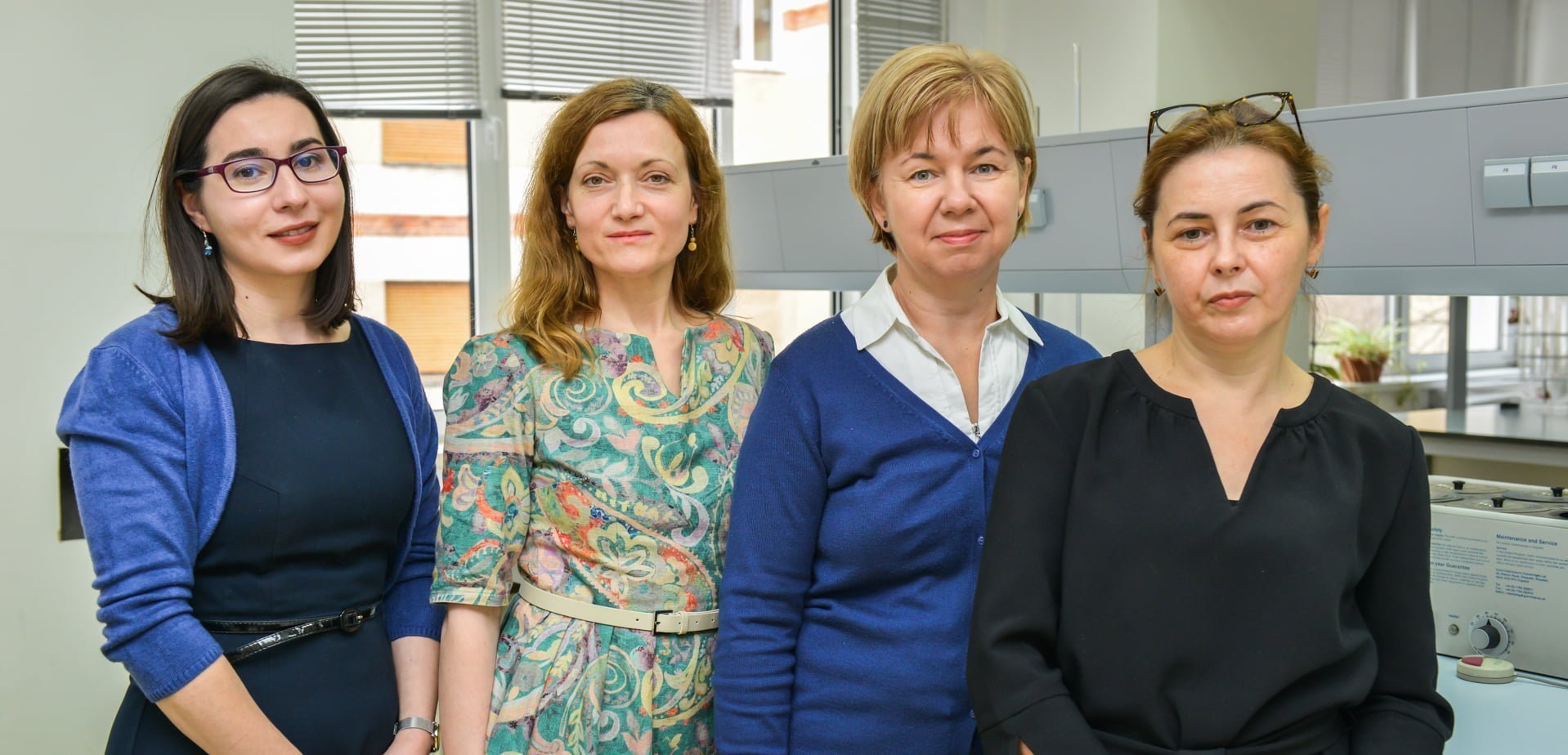
Members



Clinical Pharmacy is a modern pharmaceutical discipline designed for fifth-year students that integrates pharmaceutical and biomedical knowledge into the clinical context of the patient. Through this course, students develop the ability to understand and analyze pharmacotherapy in direct relation to the patient’s clinical condition, being prepared to respond promptly and appropriately to specific clinical situations.
The course is delivered during the first semester of the fifth year of study and comprises 2 hours of lectures and 2 hours of practical classes or clinical placements per week, conducted both at the department’s facilities and in various hospital wards. The theoretical and practical content is primarily aimed at developing the competencies required for the personalization of drug therapy, the prevention and management of iatrogenic pathology, and the evaluation of therapeutic regimens in terms of benefit–risk and benefit–cost ratios.
Throughout the course and the practical works, students acquire competencies in the analysis and evaluation of pharmacotherapeutic regimens, identification and management of drug-related problems, and application of pharmacokinetic and pharmacodynamic principles to individualized therapy. The discipline also contributes to the development of patient counseling skills and interdisciplinary collaboration with physicians and other healthcare professionals, in accordance with the principles of evidence-based medicine.
Upon completion of the course, students are able to correlate clinical and paraclinical patient data with administered pharmacotherapy, propose treatment adjustments based on age, comorbidities, and organ function, recognize and assess iatrogenic pathology, and evaluate the efficacy and safety of drug therapy. Through these competencies, Clinical Pharmacy plays an essential role in improving the quality of therapeutic care and optimizing the use of healthcare resources, reinforcing the pharmacist’s role as an active member of the multidisciplinary healthcare team.
The disciplines of Drug Analysis, Environmental and Food Chemistry (Environmental Chemistry, Hygiene, Nutrition), are included in the program of the Faculty of Pharmacy since its establishment at the University of Medicine and Pharmacy “Victor Babeş” Timişoara, in 1991. Initially, the discipline of drug analysis was called Drug Control until 2006. Environmental and food chemistry, initially under the name Sanitary Chemistry, became, starting with the academic year 2019-2020, Environmental Chemistry, Hygiene, Nutrition.
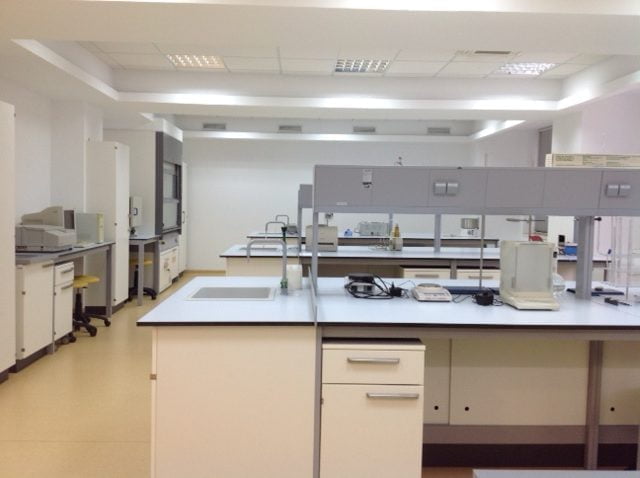
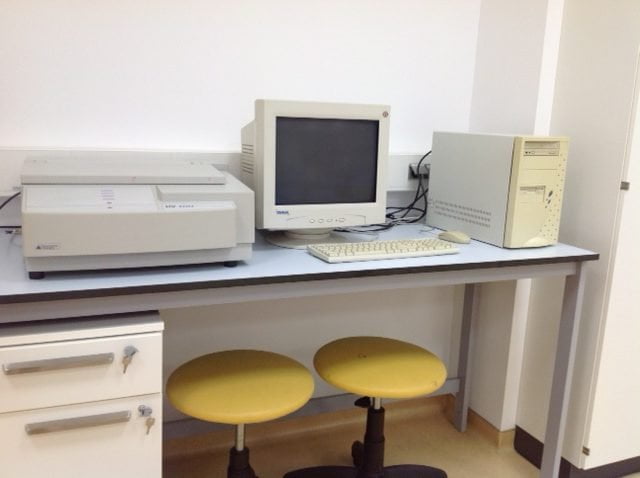
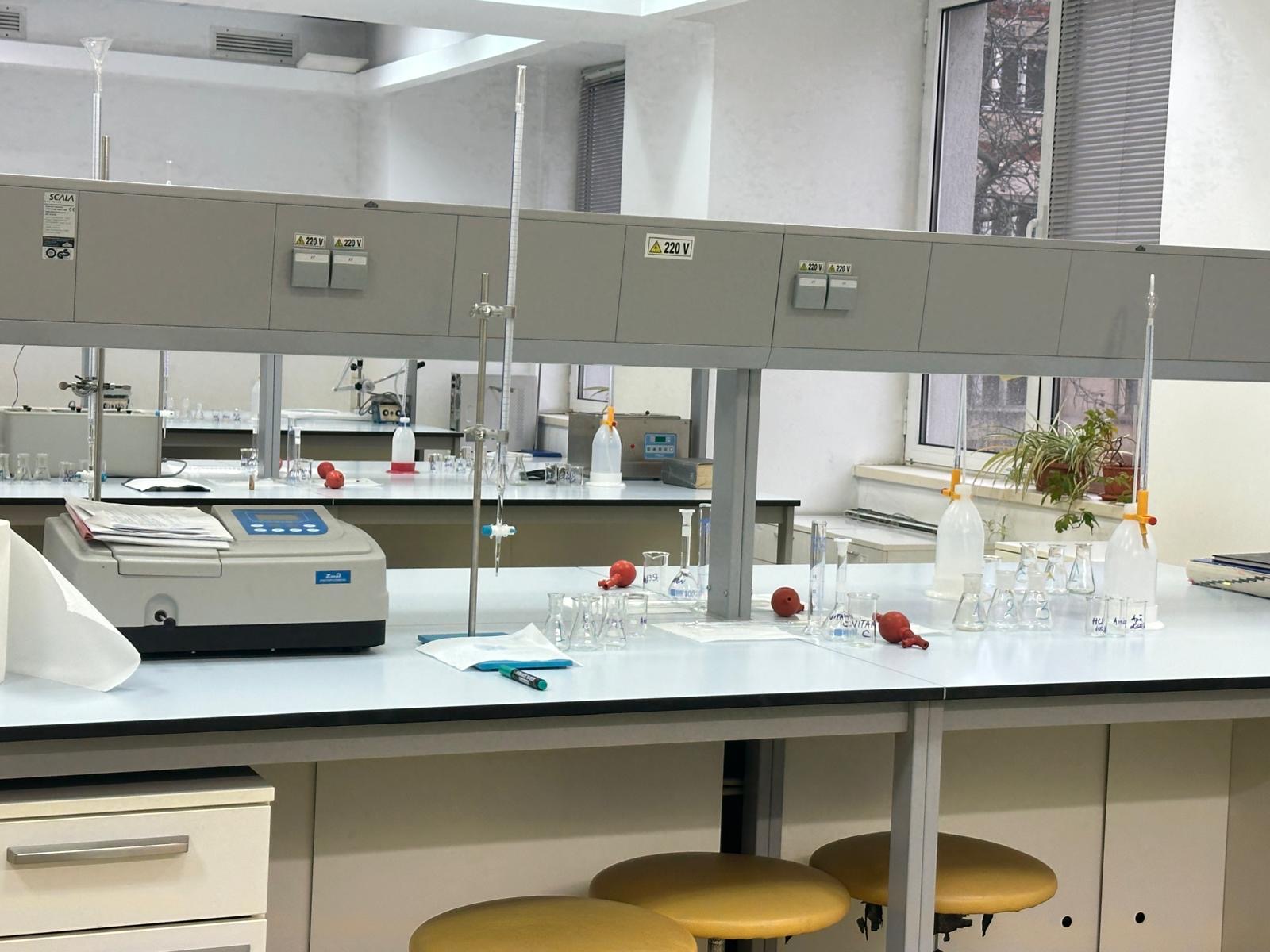
Prof. Dr. Szabadai Zoltán ensured by his committed work the development of disciplines Drug analysis and Environmental chemistry, hygiene, and nutrition. He coordinated and built the course topics and laboratory training classes together with the team members; he also provided the laboratory-specific equipment for the excellent development of teaching and research and practical training of students of the Faculty of Pharmacy. This discipline comprises currently Professor Laura Sbârcea, Ph.D., Associate Professor Angela Caunii, Ph.D., Professor Lucreția Udrescu, Ph.D., and lecturer Camelia Oprean, Ph.D. From the academic year 2023-2024 the name of the discipline became Academic Department of Drug analysis and Environmental chemistry, hygiene, and nutrition.
Drug analysis is a branch of the pharmaceutical disciplines paramount for the complete professional development of the future pharmacist. It has a multidisciplinary approach and integrates the knowledge acquired in Analytical chemistry, Physical chemistry, Organic chemistry, Pharmaceutical Chemistry, Pharmaceutical Technology and applies them in the analytical control of drugs. These rationales emphasize the importance of Drug analysis as mirrored by its presence in the pharmacy license and pharmacy residency exams.
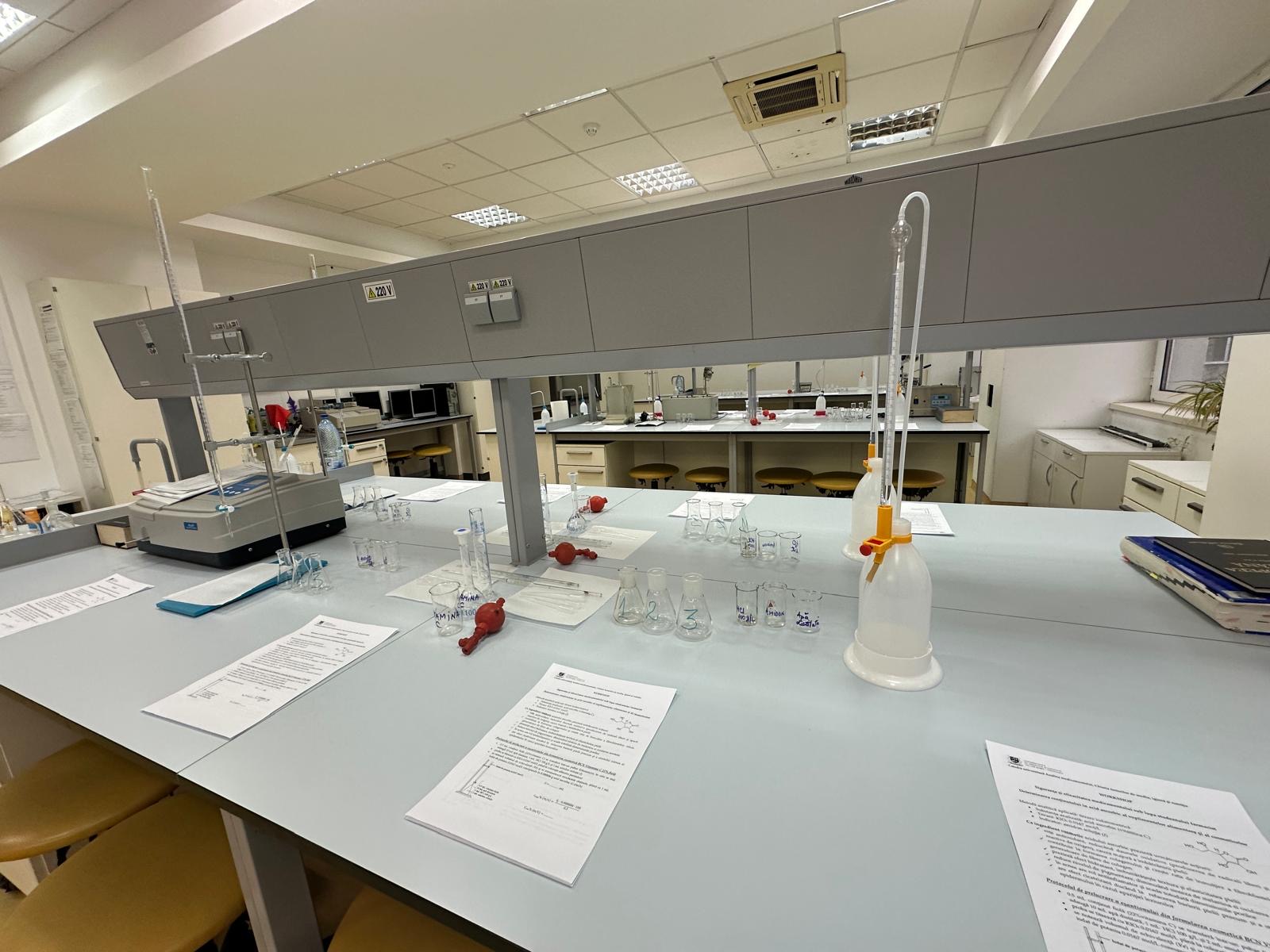
The discipline includes the course and practical training of Drug Analysis for the 5th year of the Faculty of Pharmacy (first semester), and for the 3rd year of the short-term program Pharmacy Assistance (first semester). The main objectives of Drug analysis are the building of thinking in the methodology of drug analysis and complete control of the pharmaceutical forms; another significant purpose is acquiring practical skills required for working in a drug analysis laboratory. The Drug Analysis course addresses the description of modern methods of analysis, highlighting their advantages, limitations, specificities, and applicability in managing the quality analysis of pharmaceutical preparations and expressing the analysis results. The practical training labs of Drug Analysis are related to the course themes. They aim to acquire and apply the analysis methodology in drug quality control.
Dermatocosmetic Product Analysis is a discipline of the short undergraduate programme Medical Cosmetic and Cosmetic Product Technology, studied during the first semester of the third year of study. Its general objectives are understanding the concept of dermatocosmetic product quality and acquiring the main techniques of analysis of dermatocosmetic relevant substances and of corresponding pharmaceutical and cosmetic formulations, as well as acquiring practical skills to carry out this analysis. The course topics aim at familiarizing students with the concept of quality control of cosmetic products, with the legislative regulations concerning substances prohibited or restricted in cosmetic products, with the main methods of analysis used in the analytical control of cosmetic formulations as well as their applications in analysis of various constituents: preservatives, surfactants, UV filters, etc. During the practical training labs students carry out the analysis of different ingredients of cosmetic products following a given protocol. The knowledge and skills acquired by studying this discipline will find applicability in the graduates’ professional activity in analysis laboratories and in production units of cosmetic and hygiene products.
The Environmental Chemistry, Hygiene, and Nutrition course addresses the third-year students of the Faculty of Pharmacy for the programs in Romanian and French (first semester). The course’s objectives are presentation and analysis of the impact of environmental factors on human health, knowledge of chemical analysis methods applied to control environmental factors, knowledge of diseases caused by various inorganic and organic chemicals in drinking water in the context of long-term exposure, substances, and nutrient analysis, analysis of food spoilage processes and chemical control of spoilage, presentation of analytical methods for the detection of pesticide residues in food and information on food additives, introducing the most common food intolerances and disease, and different types of environmental pollutants methods of analysis. The practical training laboratories introduce the methods of chemical analysis applied to control environmental factors, meaning the chemical composition of water and food. The main objective of the discipline of Environmental and food chemistry is to train competent specialists in the pharmaceutical field, as they can meet all current requirements and quickly adapt to different jobs in the pharmaceutical and medical areas in the country and abroad.
The members of the academic department are involved in postgraduate teaching activities for resident pharmacists in Clinic Pharmacy and General Pharmacy, practicing pharmacists, by offering classes within the postgraduate lectures and the master’s degree program Pharmaceutical Industry and Applied Phytotherapy.
The research activity of the university clinic staff includes the following directions: (1) evaluation of the efficacy and safety of several medicines or phytocompounds; (2) evaluation of the prescription and use of certain medicines (either in pediatrics, in the adult population or in the elderly) (appropriate/inappropriate prescribing); (3) clinical and pre-clinical studies evaluating substances with pharmacological properties; (4) development and validation of analytical methods in quality control of pharmaceutical dosage forms; (5) optimization of physicochemical and biopharmaceutical properties of pharmaceutical substances; (6) evaluation of active pharmaceutical ingredients compatibility with excipients (pro formulation studies); (7) in silico analysis of drug-drug, drug-target, drug-gene interactions with applications in drug development; (8) drug repositioning; (9) pharmaceutical data analysis in precision and systems pharmacy.