Address: 2, Eftimie Murgu Sq., Timisoara, 3000411
Phone: 0256494604
E-mail: cadehelean@umft.ro
Head of the University Clinic

Members



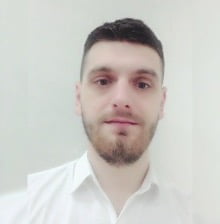
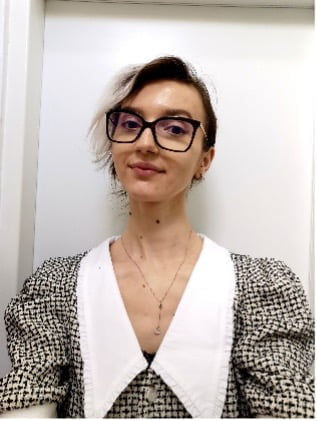
 📲 Phone: 0256494604
📧 Email: olteanu.gheorghe@umft.ro
📃 Curriculum vitae








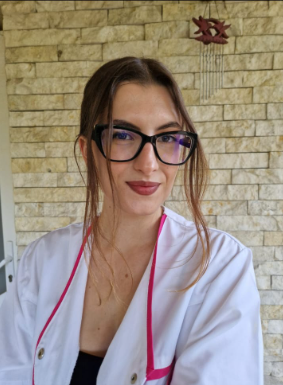


The Toxicology, Drug Industry, Management, Legislation, and dermatopharmacy clinic is a complex curriculum that sums up important interdisciplinary subjects. The discipline of Toxicology is part of the category of Specialty Pharmaceutical Sciences and was founded and introduced in the analytical curriculum of the Faculty of Pharmacy with its establishment in 1991. Toxicology was described as an autonomous science as early as 1815 by the founder of modern toxicology, Mathieu Joseph Bonaventura Orfila, and since then, it has seen significant progress, transforming from a descriptive science into an applied science.
Toxicology is considered a translational science, including principles of chemistry, biochemistry, pathology, physiology, immunology, ecology, biomathematics, and statistics, which combine with clinical ones to determine and solve/reduce risks to human health.
Since 2004, the Toxicology Discipline is coordinated by Prof. Univ. Dr. Cristina Adriana Dehelean, who was constantly concerned with increasing the quality of teaching activity, but also with increasing visibility from a scientific point of view, both nationally and internationally. From this perspective, postgraduate courses, scientific circles, summer schools and workshops for students and specialists in the field are organized annually, with outstanding guests from the country and abroad. To increase the quality of the research activity, high-performance equipment was purchased, which led to new opportunities and research directions for students, master and doctoral students of the discipline.
At the beginning of the 2025-2026 academic year, the University Department of Dermatopharmacy and Cosmetology became a component part of the University Clinic of Toxicology, Pharmaceutical Industry, Management and Legislation, complementing the specifics of the discipline with knowledge that provides a bridge between pharmacy and beauty, between science and art, between health and aesthetics.
The main didactic objectives are represented by the study of toxicity and harmful elements induced by some industrial toxic compounds, classes of drugs, drugs, pesticides, mycotoxins, food additives, detergents, toxic fighting substances, radiation, as well as the deepening of the general principles of toxicology. At the end of the 5-year university studies, the future specialist in the field of medicine must have a broad vision of multiple toxicological risks in the contemporary world and an effective practical orientation in the relationship with patients. In the era of increasingly diversified substance consumption, from drugs and supplements to new psychoactive substances and plants with psychotropic effects, the role of toxicology in pharmacist education is becoming a pillar of public health. By mastering the principles of toxicology, pharmacy students learn to correlate toxic effects with the physicochemical properties of substances and to understand the molecular mechanisms by which they disrupt the body’s homeostasis. Thus, graduates are prepared not only to provide specialized counseling to patients regarding the potential risks of medication (drug interactions, adverse effects, overdose), but also to actively contribute to the prevention of substance abuse and to educate the community regarding the dangers represented by the use of drugs or toxic plants.
Dermatopharmacy courses focus on understanding and exploring the complex relationship between the skin and the substances that interact with it, whether for therapeutic or cosmetic purposes.
The Toxicology, Drug Industry, Management Legislation and Dermatopharmacy clinic offers a rich curriculum for study in the field of bachelor, residency, master, and doctoral programs.
The educational offer includes the following compulsory courses and practical works within the license program for pharmacists and pharmacy assistants:
- Medical terminology – year I Pharmacy Romanian, French, and English series
- First aid and medical emergencies – year I Pharmacy Romanian, French, and English series
- Pharmacogenetics – year II Pharmacy series Romanian, French, and English series
- Public Health and Management – Year II Pharmacy Romanian, French, and English series
- Bioethics and deontology – year III Pharmacy Romanian and French series
- Biological medicines – year III Pharmacy Romanian and French series
- Toxicology – IV year Pharmacy Romanian and French series
- Scientific research methodology – IV year Pharmacy Romanian and French series
- Pharmaceutical legislation – year IV Pharmacy series Romanian and French
- Dermatopharmacy and cosmetology – IV year Pharmacy Romanian and French series
- Medicines industry and biotechnologies – year V Pharmacy Romanian and French series
- Toxicology – year V Pharmacy Romanian and French series
- Management and marketing – year V Pharmacy Romanian and French series
For short-term undergraduate studies (Pharmacy Assistance) the educational offer includes the following compulsory courses and practical work:
- Pharmaceutical and medical terminology – year I ASF-D
- First aid measures – year I ASF-D
- Scientific research methodology – year I ASF-D
- Bioethics and deontology – year I ASF-D
- Elements of toxicology – year II ASF-D
- Bioethics and deontology – year II ASF-D
- Scientific research methodology – year II ASF-D
For short-term undergraduate studies (Medical Cosmetics and Cosmetic Product Technology) the educational offer includes the following compulsory courses and practical work:
- Hygiene – year I CM
- Pathological anatomy – year I CM
- First aid measures and medical emergencies – year I CM
- Biological products – year II CM
- Notions of clinical dermatology – year II CM
- Equipment, products and techniques of dermato-cosmetics – year II CM
- Dermatovenerology – year II CM
- Bioethics and medical deontology – year II CM
- Scientific research methodology – year II CM
- Cosmetics and pharmaceutical industry – year III CM
- Cosmetovigilance – year III CM
- Dermato-cosmetic toxicology – year III CM
- Marketig and legislation – year III CM
Within the educational offer of the discipline, there are also various optional courses, which have the role of completing and improving the informational and practical baggage of future specialists. Among them are:
- Toxic Plants – year II Pharmacy Romanian and French series
- Pharmaceutical Entrepreneurship – year III Pharmacy Romanian and French series
- Pharmacovigilance – year III Pharmacy Romanian and French series
- Nutrition and Dietetic Products, Drug Abusers – year V Pharmacy Romanian and French series
- Toxic Plants – year I ASF-D
- Diet Therapy – year II ASF-D etc.
Prof. Univ. Dr. Cristina Dehelean, Prof. Univ. Dr. Pinzaru Iulia, and Prof. Univ. Dr. Coricovac Dorina coordinate bachelor’s, dissertation, and doctoral papers. The members of the discipline annually coordinate a significant number of diploma papers of graduates of the Faculty of Pharmacy – section Romanian and French section and graduates of short-term study programs – ASF-L and CM, as well as dissertation papers annually.
Starting with the 2017/2018 academic year, the student volunteer program “Volunteering in Academic Development Activity” (VADA) was implemented within the discipline by Prof. univ. dr. Cristina Adriana Dehelean, with Prof. univ. dr. Iulia Andreea Pînzaru and Prof. univ. dr. Elena Dorina Coricovac participating as coordinators. So far, 39 students from the Pharmacy study program have been involved in the volunteer activity (teaching and research activity).
- C.A. Dehelean, D. Gheorgheosu, D. Ionescu. Noţiuni de toxicologie general. Editura „Victor Babeş” Timişoara, 2013, ISBN 978-606-8456-14-0
- C.A. Dehelean, C. Danciu, G.M. Simu, C.M. Şoica. Elemente de metodologia cercetării ştiinţifice. Editura „Victor Babeş” Timişoara, 2013, ISBN 978-606-8456-13-3
- D.E. Coricovac, F.M. Andrica, S.A. Ciurlea, I. Pînzaru. Elemente de toxicologie industrială şi a mediului. Editura „Victor Babeş” Timişoara, 2014, ISBN 978-606-8456-30-0
- D. Coricovac, C. Dehelean, I. Pînzaru, A. Moacă, Noi aspecte în ceea ce privește utilizarea plantelor toxice, Editura “Victor Babeș” 2018, ISBN 978-606-786-107-5
- Eds. Dehelean Cristina Adriana, Pinzaru Iulia Andreea. MANAGEMENT OF MEDICINAL PLANTS –FROM CULTIVATION TO CONSUMER SAFETY. „Victor Babeş” Publishing House, 229 pg, 2024, ISBN 978-606-786-415-1
- Editori Dehelean Cristina Adriana, Pinzaru Iulia Andreea. MANAGEMENTUL PLANTELOR MEDICINALE – DE LA CULTIVARE LA SIGURANȚA CONSUMATORILOR. Editura „Victor Babeş”, 239 pg, 2024, ISBN 978-606-786-413-7.
- Eds. Dehelean Cristina Adriana, Pinzaru Iulia Andreea. EXPERIMENTAL ACTIVITIES GUIDE. „Victor Babeş” Publishing House, 110 pg, 2024, ISBN 978-606-786-412-0
- Editori Dehelean cristina Adriana, Pinzaru Iulia Andreea. GHID ACTIVITATI EXPERIMENTALE. Editura „Victor Babeş”, 115 pg, 2024, ISBN 978-606-786-414-4.
Starting with 2025, the 2-year master’s program was introduced: “TOXICOLOGY OF DRUGS AND PLANTS WITH PSYCHOTROPIC EFFECT”, coordinated by Prof. univ. dr. Coricovac Dorina. This master’s program is aimed at graduates with a bachelor’s degree who are interested in deepening this specialization. Thus, due to its interdisciplinary nature, the master’s program has a wide addressability, being appropriate for graduates of the Faculties of Medicine, Pharmacy, Chemistry, Biochemistry and Law.
Starting with 2024, the 2-year master’s program was introduced: “PHARMACOVIGILINITY AND MONITORING OF CLINICAL STUDIES”. The Master’s degree is aimed at graduates with a bachelor’s degree who are interested in in-depth knowledge of the area of specialization in the field of pharmacovigilance and clinical trials: pharmacists, doctors, licensed pharmacy assistants, chemists and chemical engineers, biologists and biochemists.
Under the coordination of Prof. univ. dr. Dragomirescu Anca, the 2-year university master’s degree program, “COSMETOLOGY AND DERMOPHARMACY”, operates, which attracts licensed cosmetologists, pharmacists and doctors. The Master’s degree is aimed at graduates with a bachelor’s degree who are interested in in-depth knowledge of the area of specialization in the field of cosmetology and dermopharmacy: pharmacists, licensed pharmacy assistants, graduates of medical cosmetics and cosmetic product technology, doctors, chemists and chemical engineers, biologists and biochemists.
There are courses and internships with residents from the specialty of Clinical Pharmacy and Pharmaceutical and Cosmetic Industry.
Prof. Univ. Dr. Cristina Adriana Dehelean, together with the members of the discipline, have organized over time various student scientific events, including:
- National CosMedical Conference Timișoara, First Edition, October 24-25, 2025, Timișoara with international participation
- Summer School Dermo-cosmetic products based on medicinal plants, 17-19 July 2019 Timisoara
- 1st International Summer School of Medicinal Plant Pharmaco-Toxicology, July 2-13, 2018 Timisoara, Romania
- WORKSHOP – Dermo-cosmetic products as formulations. safety testing of cosmetic products, June 13-14, 2019, Timisoara, Romania
- WORKSHOP – Medicinal Plants at present – incidence, composition and use, October 16-17, 2018, Timisoara, Romania
- WORKSHOP – Safety of medicinal plants products, 22-23 November, 2018, Timisoara, Romania
Prof. Univ. Dr. Cristina Adriana Dehelean also participated in the Coordination of student scientific circles – Pharmacotoxicological evaluation of plant products with therapeutic action (2017 – www.umft.ro).
Currently, the discipline has research laboratories, which are part of the Research Center for Pharmacotoxicological Evaluations (FARMTOX), led and coordinated by Prof. Dr. Cristina Dehelean. The laboratories within FARMTOX center are equipped and equipped for: (1) obtaining vegetal extracts, isolating biologically active compounds, deriving them and/or obtaining micro and nano formulations with extracts and biologically active compounds of interest, their physico-chemical characterization, qualitative and quantitative determinations of polyphenol content on LC/MS equipment; (2) in vitro cell culture studies (healthy cells and tumours) and reconstructed human 3D tissues and (3) in vivo non-invasive studies.
Research topics
The main research directions developed within the discipline coincide with those of the FARMTOX Center, as follows:
- Development and validation of in vitro and in ovo experimental models, for efficacy and toxicity studies
- Preclinical and mechanistic toxicity studies, including determination of the mean inhibitory concentration (IC50), impact on cell viability, and determination of the toxic mechanism of action (apoptosis, necrosis, etc.) of different compounds of natural origin or obtained by chemical synthesis with pharmacological potential
- Biologically active natural compounds: derivatization/obtaining new pharmaceutical formulations and characterization of the derivatives obtained in order to increase pharmacological efficacy and improve the pharmacokinetic and pharmacodynamic profile
- Physico-chemical and pharmacological characterization of plant extracts with promising therapeutic potential to identify candidates with biological potential
- Obtaining and characterization of physico-chemical, biological, and toxicology of nanoformulations with biomedical applicability
- Pharmacological interaction studies and combination therapy strategies: analysis of associations between biologically active natural compounds and established therapeutic agents.
- Biological evaluation through in ovo models: rapid evaluation of irritant, antiangiogenic potential and relevant pharmacodynamic effects under biological conditions
- Interdisciplinary applications at the toxicology-biology-chemistry-medicine interface, exploring synergies for the discovery of new compounds, new therapeutic targets, targeted delivery systems and diagnostic strategies.
- Pharmacovigilance studies in order to highlight potential adverse effects that may occur as a result of the association of several drugs administered concurrently
The scientific activity carried out within the Research Center FARMTOX by the members of the discipline is a rich one, materializing in a number of over 200 published ISI papers, visible on Web of Science and participation in national and international scientific events, including:
- Dehelean, CA; Liga, S; Poiana, MA; Cocan, I; Coricovac, D; Cseh, L; Suba, M; Alexa, E. Natural SilibininLinoleate: A Protective Antioxidant in Edible Vegetable Oils. FOODS, 2025, 14(19), Article Number 3430, DOI10.3390/foods14193430.
- Dehelean, CA; Boru, C; Macasoi, IG; Dumitrel, SI; Trandafirescu, C; Ersilia, A. Obtaining and Characterization of Nutraceuticals Based on Linoleic Acid Derivatives Obtained by Green Synthesis and Their Valorization in the Food Industry. NUTRIENTS, 2025, 17(15), Article Number 2416, DOI10.3390/nu17152416
- Fucile, M; Macasoi, IG; Negrea, M; Obistioiu, D; Marrelli, M; Alexa, E; Dehelean, C; Statti, G; Conforti, F; Pinzaru, I. Pharmaco-Toxicological Effects of Cachrys libanotis Extract: Antioxidant, Antimicrobial, and Cytotoxic Activities in Human Cell Lines and Embryonic Models. ANTIOXIDANTS, 2025, 14(7), Article Number 810, DOI10.3390/antiox14070810.
- Cristea, AM; Smeu, A; Cimpeanu, IA; Iftode, A; Liga, S; Tchiakpe-Antal, DS; Vlad, D; Dehelean, CA; Iliescu, D. Biological Effects of Rosaceae Species in Skin Disorders-An Up-To-Date Overview. PLANTS-BASEL, 2025, 14(11), Article Number 1605, 3390/plants14111605.
- Jîjie, AR; Iliescu, D; Sbarcea, L; Boru, C; Patrascu, D; Iftode, OA; Minda, ID; Avram, S; Trandafirescu, CM; Dehelean, CA; Moaca, EA. A Deep Dive into the Botanical and Medicinal Heritage of Taxus. PLANTS-BASEL, 2025, 14(10), Article Number 1439, DOI10.3390/plants14101439.
- Ali, DH; Daraban, AM; Ungureanu, D; Cata, A; Ienascu, IMC; Dinu, S; Dehelean, CA; Danciu, C. An Up-to-Date Review Regarding the Biological Activity of Geranium robertianum L. PLANTS-BASEL, 2025, 14(6), Article Number 918, DOI10.3390/plants14060918.
- Pacnejer, AM; Negru, MC; Arseniu, AM; Trandafirescu, C; Oancea, C; Gligor, FG; Morgovan, C; Butuca, A; Dehelean, CA. Comparative Analysis of Neuropsychiatric Adverse Reactions Associated with Remdesivir and Nirmatrelvir/Ritonavir in COVID-19 Treatment: Insights from EudraVigilance Data. JOURNAL OF CLINICAL MEDICINE, 2025, 14(6), Article Number 1886, DOI10.3390/jcm14061886.
- Marcovici I, Chioibas R, Zupko I, et al. Preclinical pharmaco-toxicological screening of biomimetic melanin-like nanoparticles as a potential therapeutic strategy for cutaneous melanoma. Front Pharmacol. 2025 Feb 6;16:1487854. doi: 10.3389/fphar.2025.1487854.
- Smeu A, Marcovici I, Dehelean CA, et al. Flavonoids and Flavonoid-Based Nanopharmaceuticals as Promising Therapeutic Strategies for Colorectal Cancer—An Updated Literature Review. Pharmaceuticals. 2025; 18(2):231. https://doi.org/10.3390/ph18020231
- Zakzak K, Semenescu AD, Moacă EA, et al. Comprehensive Biosafety Profile of Carbomer-Based Hydrogel Formulations Incorporating Phosphorus Derivatives. Gels. 2024 Jul 18;10(7):477. doi: 10.3390/gels10070477.
- Marcovici I, Vlad D, Buzatu R, et al. Rutin Linoleate Triggers Oxidative Stress-Mediated Cytoplasmic Vacuolation in Non-Small Cell Lung Cancer Cells. Life (Basel). 2024 Feb 1;14(2):215. doi: 10.3390/life14020215.
- Semenescu AD, Moacă EA, Iftode A, et al. Phytochemical and Nutraceutical Screening of Ethanol and Ethyl Acetate Phases of Romanian Galium verum Herba (Rubiaceae). Molecules. 2023 Nov 27;28(23):7804. doi: 10.3390/molecules28237804.
- Moaca EA, Watz C, Faur AC, et al. Biologic Impact of Green Synthetized Magnetic Iron Oxide Nanoparticles on Two Different Lung Tumorigenic Monolayers and a 3D Normal Bronchial Model-EpiAirway (TM) Microtissue. PHARMACEUTICS, 15(1), Article Number 2, 2023, DOI: 10.3390/pharmaceutics15010002
- Dehelean CA, Coricovac D, Pinzaru I, et al. Rutin bioconjugates as potential nutraceutical prodrugs: An in vitro and in ovo toxicological screening. Front Pharmacol. 2022 Sep 23;13:1000608. doi: 10.3389/fphar.2022.
- Marcovici I, Coricovac D, Pinzaru I, et al. Melanin and Melanin-Functionalized Nanoparticles as Promising Tools in Cancer Research-A Review. Cancers (Basel). 2022 Apr 6;14(7):1838.
- Dolghi A, Buzatu R, Dobrescu A, et al. Phytochemical Analysis and In Vitro Cytotoxic Activity against Colorectal Adenocarcinoma Cells of Hippophae rhamnodies L., Cymbopogon citratus (D.C.) Stapf, and Ocimum basilicum L. Essential Oils. Plants (Basel). 2021 Dec 14;10(12):2752.
- Pinzaru I, Chioibas R, Marcovici I, et al. Rutin Exerts Cytotoxic and Senescence-Inducing Properties in Human Melanoma Cells. Toxics. 2021 Sep 19;9(9):226.
- Moacă EA, Watz CG, Socoliuc V, et al. Biocompatible Magnetic Colloidal Suspension Used as a Tool for Localized Hyperthermia in Human Breast Adenocarcinoma Cells: Physicochemical Analysis and Complex In Vitro Biological Profile. Nanomaterials (Basel). 2021 Apr 30;11(5):1189.
- Dehelean CA, Lazureanu V, Coricovac D, et al. SARS-CoV-2: Repurposed Drugs and Novel Therapeutic Approaches-Insights into Chemical Structure-Biological Activity and Toxicological Screening, Journal of Clinical Medicine, 2020, 9, 2084; doi:10.3390/jcm9072084.
- Coricovac D, Dehelean CA, Pinzaru I, et al. Assessment of Betulinic Acid Cytotoxicity and Mitochondrial Metabolism Impairment in a Human Melanoma Cell Line. Int J Mol Sci. 2021 May 4;22(9):4870. doi: 10.3390/ijms22094870
- Pinzaru I, Tanase A, Enatescu V, et al. Proniosomal Gel for Topical Delivery of Rutin: Preparation, Physicochemical Characterization and In Vitro Toxicological Profile Using 3D Reconstructed Human Epidermis Tissue and 2D Cells. Antioxidants (Basel). 2021 Jan 10;10(1):85. doi: 10.3390/antiox10010085.
- Macașoi I, Pavel IZ, Moacă AE, et al. Mechanistic investigations of antitumor activity of a Rhodamine B-oleanolic acid derivative bioconjugate. Oncol Rep. 2020 Sep;44(3):1169-1183. doi: 10.3892/or.2020.7666.
- Farcas CG, Dehelean C, Pinzaru IA, et al. Thermosensitive Betulinic Acid-Loaded Magnetoliposomes: A Promising Antitumor Potential for Highly Aggressive Human Breast Adenocarcinoma Cells Under Hyperthermic Conditions. Int J Nanomedicine. 2020 Oct 23;15:8175-8200. doi: 10.2147/IJN.S269630.
- Dehelean CA, Marcovici I, Soica C, et al. Plant-Derived Anticancer Compounds as New Perspectives in Drug Discovery and Alternative Therapy. Molecules. 2021 Feb 19;26(4):1109. doi: 10.3390/molecules26041109.
- Draghici, GA; Dehelean, C; Pinzaru, I; et al. Soil copper uptake by land snails: A semi-field experiment with juvenile Cantareus aspersus snails. Environmental Toxicology and Pharmacology, 2019, 72: UNSP 103243, DOI: 10.1016/j.etap.2019.103243
- Coricovac, D; Dehelean, C; Moaca, EA; et al. Cutaneous MelanomaA Long Road from Experimental Models to Clinical Outcome: A Review. Int J Mol Sci 19(6), Article number 1566, Nov 2018. DOI: 10.3390/ijms19061566
- Coricovac, DE; Moaca, EA; Pinzaru, I; et al. Biocompatible Colloidal Suspensions Based on Magnetic Iron Oxide Nanoparticles: Synthesis, Characterization and Toxicological Profile. Frontiers in Pharmacology 8, Article Number: UNSP 154, Mar 2017. DOI: 10.3389/fphar.2017.00154
- Geamantan A, Semenescu AD, Moaca AE, Marcovici I, Anton A, Dehelean CA. P01-80 In vitro assesment of the safety profile of caffeine and magnesium ascorbyl phospate incorporated in HPMC on human keratinocytes. Toxicology Letters. 2024 Sep 1;399:S103.
- M.Cristea, G.A. Drăghici, D.S. Antal, C.A. Dehelean. Anticancer Potential of Eriobotrya japonica Extracts: Targeting A375 Melanoma Cells with Bioactive Phytochemicals- Naunyn-Schmiedeberg’s Arch Pharmacol (2025). 10th German Pharm-Tox Summit 2025.
- Marcovici I, Pinzaru T, Geamantan A, Dehelean C, P01-74: Bioinspired polydopamine nanoparticles trigger apoptosis in HCT-116 colorectal carcinoma cells, Toxicology Letters, Volume 399S2, 2024, Page S100, ISSN 0378-4274
- Semenescu AD, Moaca EA, Watz C, Anton A, Geamantan A, Kis A, Dumitrescu C, Chioibas R, Dehelean CA.P01-77: Phytochemical characterization and in vitro assessment of Galium mollugo L. extract on murine melanoma cells. Toxicology Letters, 399(23):S101-S102.
- Geamantan A, Semenescu D, Moaca A, Marcovici I, Anton A, Dehelean CA, P01-80. In vitro assessment of the safety profile of caffeine and magnesium ascorbyl phosphate incorporated in HPMC on human keratinocytes. Toxicology Letters. 2024; 399(23):S103.
- Moaca AE, Marcovici I, Semenescu AD, Jijie AR, Mateescu T, Watz CG, Drăghici GA, Flondor D, Oancea C, Dehelean CA, P02-24. Biologic impact of green solid-lipid nanoparticles on bronchial 3D human reconstructed tissue. 2024;Toxicology Letters 399:S113
- Anton A, Pinzaru I, Dehelean CA, P155. The in vitro biological activity of probiotics combination on human colorectal carcinoma cells. Naunyn-Schmiedeberg’sArchPharmacol (2023) 396 (Suppl1):S62
- Macasoi I, Pinzaru I, coricovac D, Cabuta M, Marcovici I, Cretu OM, Dehelean CA, P157. Oleanolic acid encapsulated in liposomes as a potential therapeutic approach for hepatocellular carcinoma. Naunyn-Schmiedeberg’sArchPharmacol (2023) 396 (Suppl1):S63.
- Pinzaru IA; Coricovac DE; Dolghi A.; Dehelean CA. Effect of silver nanoformulatins functionalized with rutin on human colorectal adenocarcinoma cells. NAUNYN-SCHMIEDEBERGS ARCHIVES OF PHARMACOLOGY, 2021, Volume: 394 Issue: SUPPL 1 Pages: S32-S32 Supplement: 1 Special Issue: SI Meeting Abstract: P22
- Dolghi A, Pinzaru I, Coricovac DE, Dehelean, CA. Lemongrass essential oil induces cytotoxic effects in HT-29 and Caco-2 colon carcinoma cell. NAUNYN-SCHMIEDEBERGS ARCHIVES OF PHARMACOLOGY, 2021, Volume: 394 Issue: SUPPL 1 Pages: S33-S33 Supplement: 1 Special Issue: SI Meeting Abstract: P25
- Coricovac D, Macasoi I, Pinzaru I, Dehelean C. Betulinic acid exhibits a distinctive antimelanoma effect by interfering with epithelial-to-mesenchymal transition (EMT). NAUNYN-SCHMIEDEBERGS ARCHIVES OF PHARMACOLOGY Volume: 393 Issue: SUPPL 1 Pages: 29-29 Supplement: 1 Special Issue: SI Meeting Abstract: P6
- Coricovac D, Pavel IZ, Draghici GA, Pinzaru I, Avram S, Mioc M, Ghiulai R, Soica C, Dehelean CA. In vitro anti-proliferative and antimetastatic effects of lupan pentacyclic triterpenes. TOXICOLOGY LETTERS Volume: 280 Pages: S273-S273 Supplement: 1 Special Issue: SI Meeting Abstract: P-09-02-58, Oct 2017. DOI: 10.1016/j.toxlet.2017.07.962
The research activity carried out by the members of the discipline is a rich one, materialized in several research projects, financed from national and international funds. Among the research, institutional development, and education projects carried out and those currently underway, we list:
- 350965/ (DOCTOMED) Strengthening doctoral and postdoctoral education in the medical, dental and pharmaceutical fields through advanced training, research and innovation, within an academic-clinical partnership, 2025-2029
- ROHU cross-border innovation to combat antibiotic resistance while ensuring health equity and system resilience”, Jems ID ROHU00049, Programme Priority: P2 – Cooperation for a more social and cohesive partnership between Romania and Hungary
- “Internships for students prepared for tomorrow’s challenges”, SMIS code 317682, CALL code: PEO/71/PEO_P7/OP4/ESO4.5/PEO_A49, 2024-2026.
- “STEAM Education for the Future: Developing Scientific Literacy in Life Sciences (STEAM4Life)”, PN-IV-SS-SC-2024, 2025-2026
- PN-IV-P2-2.1-TE-2023-1941 – Targeted smart nanostructures loaded with active antitumor principles of the triterpene type, used in magnetic hyperthermia therapy, 2025-2027
- “Modernization of learning conditions, development of student skills and ensuring non-discriminatory access to quality education within UMFVBT” code SMIS 321935, West Regional Program 2021–2027, 2024-2026
- ERASMUS 2023-1-RO01-KA220-HED-000164767 Titlu: Partnership for innovation on the exchange of best practices and the design of joint collaborative initiatives at European level related to the awareness of the effects of contamination on human health
- CNFIS-FDI-2023-F-0448 Titlu: Augmentarea multifuncționalității bazei de practică în domeniul produselor vegetale medicinale prin inovare interdisciplinară cu transpunere în sfera digital
- CNFIS-FDI-2023-F-0450 Titlu: Dezvoltarea continuă a acțiunilor antreprenoriale studențești prin și pentru studenți și absolvenți în cadrul UMFVBT
- „Creșterea gradului de inovare prin digitalizare în Universitatea de Medicină și Farmacie ,,Victor Babeș” din Timișoara”, acronim INO – DIGI – MED, cod F-PNRR-GDU-1-2022-0067, finanțat prin Planul Național pentru Redresare și Reziliență al României (PNRR), 2022-2025
- ERASMUS 2022-1-RO01-KA220-HED-000088958 Titlu: Cooperation to Implement Innovative Methods for the Assessment of Medicinal Plants with central Roles in Pharmaceutics, Agriculture and Nutrition, 2022-2024
- CNFIS-FDI-2022-0484 Titlu: Implementarea de tehnici moderne pentru dezvoltarea continuă a bazei de practică în domeniul produselor vegetale medicinale UMF „Victor Babes” din Timisoara , Apr 2022 – Decemb 2022
- CNFIS-FDI-2022-0474 Titlu: Consolidarea și dezvoltarea activităților antreprenoriale studențești prin studenți și doctoranzi în cadrul UMFVBT Apr 2022 – Decemb 2022
- CNFIS-FDI-2021-0498 Titlu proiect: Dezvoltarea bazei de practică în domeniul plantelor medicinale a UMF Victor Babeș Timișoara / Development of the practice base in the field of medicinal plants of the “Victor Babes” University of Medicine and Pharmacy Timisoara May 2021 – Decemb. 2021
- PN-III-P1-1.1-TE-2019-2134, (BAPRONIO) Titlu proiect: Redarea către piața dermocosmetica a unei formulari topice moderne cu acid betulinic încorporat in proniozomi / Delivery to the dermocosmetic market of a modern topical formulation with betulinic acid encapsulated in proniosomes 2020-2022
- Grant Intern Doctoral – 4DOC/1276/30.01.2020, (TRITERPENS@MNP), Titlu proiect: Nanoparticule magnetice ca suport pentru principii active antitumorale de tip triterpenic / Magnetic nanoparticles as support for triterpenic antitumor active principles
- PN-III-P1-1.1- PD-2019-1231, Titlu proiect: Noi perspective privind chemoprevenția cancerului cutanat: evaluarea acidului maslinic și al unui derivat de acid maslinic încorporați în nanoemulsii / New perspectives on skin cancer chemoprevention: evaluation of maslinic acid and a maslinic acid derivative incorporated in nanoemulsions 2020-2023
- ERASMUS project 2019-1-RO01-KA203-063499, Titlu proiect: Cooperation on innovation and exchange of good practice in the hypoglycemia diet for people with diabetes 2019-2021
- CNFIS-FDI-2019-0393, Titlu proiect: Centru de dezvoltare profesională în domeniul produselor dermato-cosmetice pe bază de plante medicinale / Center for professional development in the field of dermato-cosmetic products based on medicinal plants May 2019 – Decemb. 2019
- CNFIS – FDI – 2018 – 0159, Titlu proiect: Centru de dezvoltare a abilităților practice în domeniul plantelor medicinale / Center for the development of practical skills in the field of medicinal plants , May 2018 – Decemb. 2018
- PN-III-P1-1.1-PD-2016-1982, Proiecte de Cercetare Postdoctorală, competiția 2016, Titlu proiect: Noi perspective privind mecanismul de acțiune al acidului betulinic ca agent antimelanom / New insights into the antimelanoma mechanism of action of betulinic acid 2017-2019
- Axa 1 a POC – ANCS/ POC-A1- A1.1.4 – E-2015 (NUTRIGEN), Titlu proiect: Utilizarea modelelor nutrigenomice pentru personalizarea tratamentelor dietetice in obezitate / The use of nutrigenomic models for personalization of dietetic treatments in obesity 2016-2019
- P III-C1-PCFI-2014/2015-03, Titlu proiect: Noi abordări farmaceutice pentru modularea biodisponibilităţii unor flavonoide cu potenţial chemopreventiv pentru melanomul malign / New pharmaceutical options for some Flavonoids bioavailability modulation with chemopreventiv potential in malignant melanoma 2014-2016
Scientific research within the discipline is centered on experimental studies in vitro (cultures of normal and tumor cell lines) and in vivo (experimental models of skin and breast cancer using laboratory animals-mice). Also, we obtain crude and standardized plant extracts, isolation of biologically active compounds, studies of obtaining/characterization (toxicological profile) formulations (especially nanoformulations) with therapeutic impact. All these fall within the research profile of the II department of pharmaceutical sciences to which the discipline belongs, in the research profile of the faculty, respectively of the university.
- Pinzaru IA, Dehelean CA. Sodium sulfite. In: Encyclopedia of Toxicology (Fourth Edition), Philip Wexler (ED), Academic Press 2024, pp: 625-629. ISBN 9780323854344, https://doi.org/10.1016/B978-0-12-824315-2.01147-7.
- Coricovac DE, Pinzaru IA, Dehelean CA. N-Acetyl-L-cysteine. In: Encyclopedia of Toxicology (Fourth Edition), Philip Wexler (ED), Academic Press 2024, pp: 601-609. ISBN 9780323854344, https://doi.org/10.1016/B978-0-12-824315-2.01155-6
- Cîntă Pînzaru S, Fălămaș A, Dehelean CA. Chapter 6 – Raman Spectroscopy: A Key Analytical Tool for New Drugs Research and Development. Studies in Natural Products Chemistry Volume 61, 2018, Pages 211-250. DOI: 10.1016/B978-0-444-64183-0.00006-3, ISBN: 978-0-444-64183-0, ISSN: 1572-5995, Elsevier 2019
- Soica C, Pinzaru I, Trandafirescu C, Andrica F, Danciu C, Mioc M, Coricovac D, Sitaru C, Dehelean C. Chapter 5 – Silver-, gold-, and iron-based metallic nanoparticles: Biomedical applications as theranostic agents for cancer, Pages 161-242, in: Design of Nanostructures for Theranostics Applications. Edited by: Alexandru Mihai Grumezescu ISBN: 978-0-12-813669-0, Elsevier 2018
- Moacă EA, Coricovac ED, Soica CM, Pinzaru IA, Păcurariu CS, Dehelean CA. Chapter 12 – Preclinical aspects on magnetic iron oxides nanoparticles and their interventions as anticancer agents: enucleation, apoptosis and other mechanism, DOI: 10.5772/intechopen.74176, in: Iron ores and iron oxide materials, Edited by: Dr. Volodymyr Shatokha, ISBN 978-1-78923-320-9, InTech 2018
- Dorina E. Coricovac, Cristina A. Dehelean. Chapter 1 – Pathological Aspects with Global Impact Induced by Toxicants at Cellular Level, pages 3-21, DOI: 10.5772/59945, in: Toxicology Studies – Cells, Drugs and Environment, Edited by: Ana Cristina Andreazza and Gustavo Scola, ISBN 978-953-51-2140-4, InTech 2015
- International mobility network for students, masters, doctoral students and teaching staff – CEEPUS (Central European Exchange Program for University Studies) Network
- Dr Vesna Stankov Jovanovic, full professor, Department of Chemistry, Faculty of Science and Mathematics, University of Nis, Serbia
- Ing. Miroslava Kačániová, PhD., Vice-dean for International and Public Relations, Institutional CEEPUS Coordinator, Institute of Horticulture, Faculty of Horticulture and Landscape Engineering, Slovak University of Agriculture
- ERASMUS+ type cooperation partnerships
- Giancarlo Statti – Full Professor of Pharmaceutical Biology, Department of Pharmacy, Health and Nutritional Sciences, University of Calabria, Italy
- Filomena Conforti, Associate Professor of Pharmaceutical Biology, Department of Pharmacy, Health and Nutritional Sciences, University of Calabria, Italy
- dr. sc. Karolina Vrandecic, Chair of Phytopathology, Department for Plant Protection, Faculty of Agrobiotechnical Sciences Osijek (FAZOS), Josip Juraj Strossmayer University of Osijek (UNIOS), Croatia
- Pharm.Dr. Adriana Duris Adameova, DrSc., FIACS, Dept. Pharmacology and Toxicology, Faculty of Pharmacy, Comenius University in Bratislava
Germany
- Clin Goethe Univ, Inst Gen Pharmacol & Toxicol, Pharmazentrum Frankfurt ZAFES, D-60590 Frankfurt, Germany
- Goethe Univ Frankfurt, Inst Biochem Pathobiochem 1, D-60590 Frankfurt, Germany
- Martin Luther Univ Halle Wittenberg, Dept Organ Chem, Kurt Mothes Str 2, D-06120 Halle, Saale, Germany
- Univ Freiburg, Dept Dermatol, Hauptstr 7, D-79104 Freiburg, Germany
- Signalhaus Freiburg, BIOSS Ctr Biol Signalling Studies, Schanzlestr 18, D-79104 Freiburg, Germany
United States of America (USA)
- Northeastern Univ, Sch Pharm, Dept Pharmaceut Sci, Boston, MA 02115 USA
- Rutgers State Univ, New Jersey Inst Food Nutr & Hlth, 61 Dudley Rd, New Brunswick, NJ 08901 USA
- Wright State Univ, Dept Chem, Dayton, OH 45435 USA
Greece
- Univ Crete, Fac Med, Dept Forens Sci & Toxicol, Iraklion 71003, Crete, Greece
- Univ Crete, Med Sch, Lab Clin Virol, Iraklion 71003, Crete, Greece
Hungary
- Univ Szeged, Inst Pharmaceut Technol & Regulatory, Szeged, Hungary
- Univ Szeged, Dept Pharmacodynam & Biopharm, Szeged, Hungary
- Gedeon Richter Plc, H-1103 Budapest, Hungary
- Dr Derm Clin Antiaging Dermatol Aesthet Laser & P, H-1026 Budapest, Hungary
- Univ Szeged, Dept Dermatol & Allergol, H-6720 Szeged, Hungary
- Univ Szeged, Dept Oral Biol & Expt Dent Res, H-6720 Szeged, Hungary
France
- Aix Marseille Univ, Fac Pharm, 27 Jean Moulin Blvd, F-13385 Marseille 5, France
- Université Université de Lorraine, Bvd des Aiguillettes 54506 Vandoeuvre les Nancy, France
England
- Aston Univ, Pharmaceut Dept, Sch Life & Hlth Sci, Birmingham B4 7ET, W Midlands, England
- Middlesex Univ London, Dept Nat Sci, London, England
Austria
- Univ Vienna, Dept Struct & Computat Biol, Max F Prutz Labs, Vienna, Austria
- Univ Vienna, Fac Phys, Quantum Opt Quantum Nanophys & Quantum Informat, Vienna, Austria