Address: Eftimie Murgu Square, No. 2, 300041, Timisoara
Phone: 0256494604
E-mail: ionut.ledeti@umft.ro
Head of the Academic Department
 📲
📲 Members

 📲
📲 The discipline of Physical Chemistry was established in the academic year 1992-1993, once the first generation of the Pharmacy specialization (established in 1991) within the Faculty of General Medicine from Timişoara reached the second year, where this subject is studied.
The first head of discipline was prof. dr. Zeno Simon (corresponding member of the Romanian Academy), seconded to the practical works of dr. chem. Ludovic Kurunczi, at that time a part-time associate professor and principal researcher II at the Timişoara Institute of Chemistry of the Romanian Academy. Soon, Dr. Ludovic Kurunczi also took over the teaching of the Physical Chemistry course, and in 1995 he became a full-time associate professor and head of discipline. Since 1998, Assoc.prof. Ludovic Kurunczi held the position of full professor of Physical Chemistry, ensuring until February 2012 the coordination of the discipline.
In the 2012-2017 period, the coordination of the discipline was ensured by the late prof. dr. Georgeta-Maria Simu. In September 2017, the discipline of Physical Chemistry suffered a sudden loss, through the passing into eternity of the one who was a valued teacher, extraordinary colleague, and reliable friend, professor Georgeta-Maria Simu.
Starting with September 2017, the head of discipline becomes associate professor, Ph.D. Ionuţ-Valentin Ledeţi, who holds the position of full professor starting with September 2020.
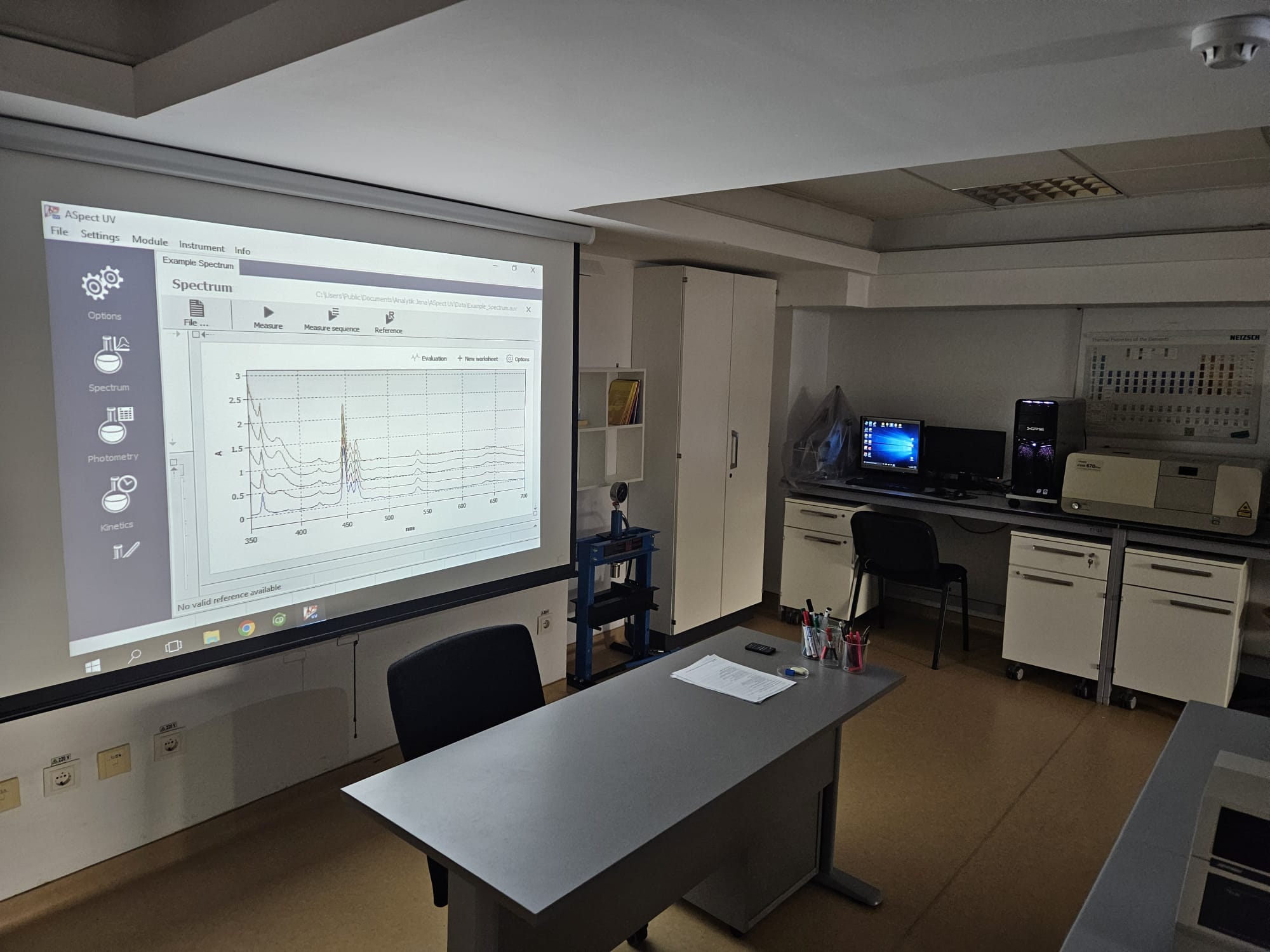
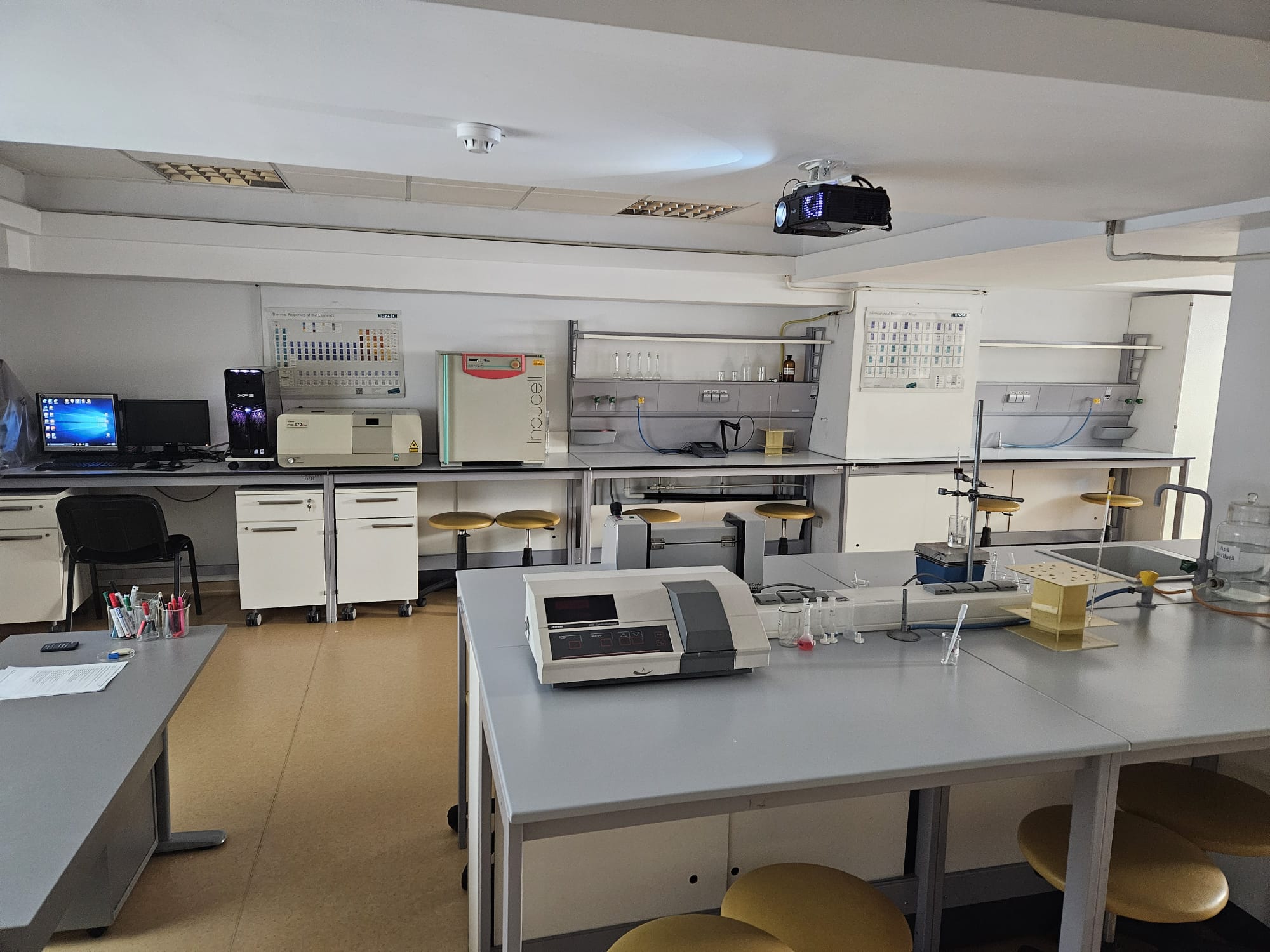
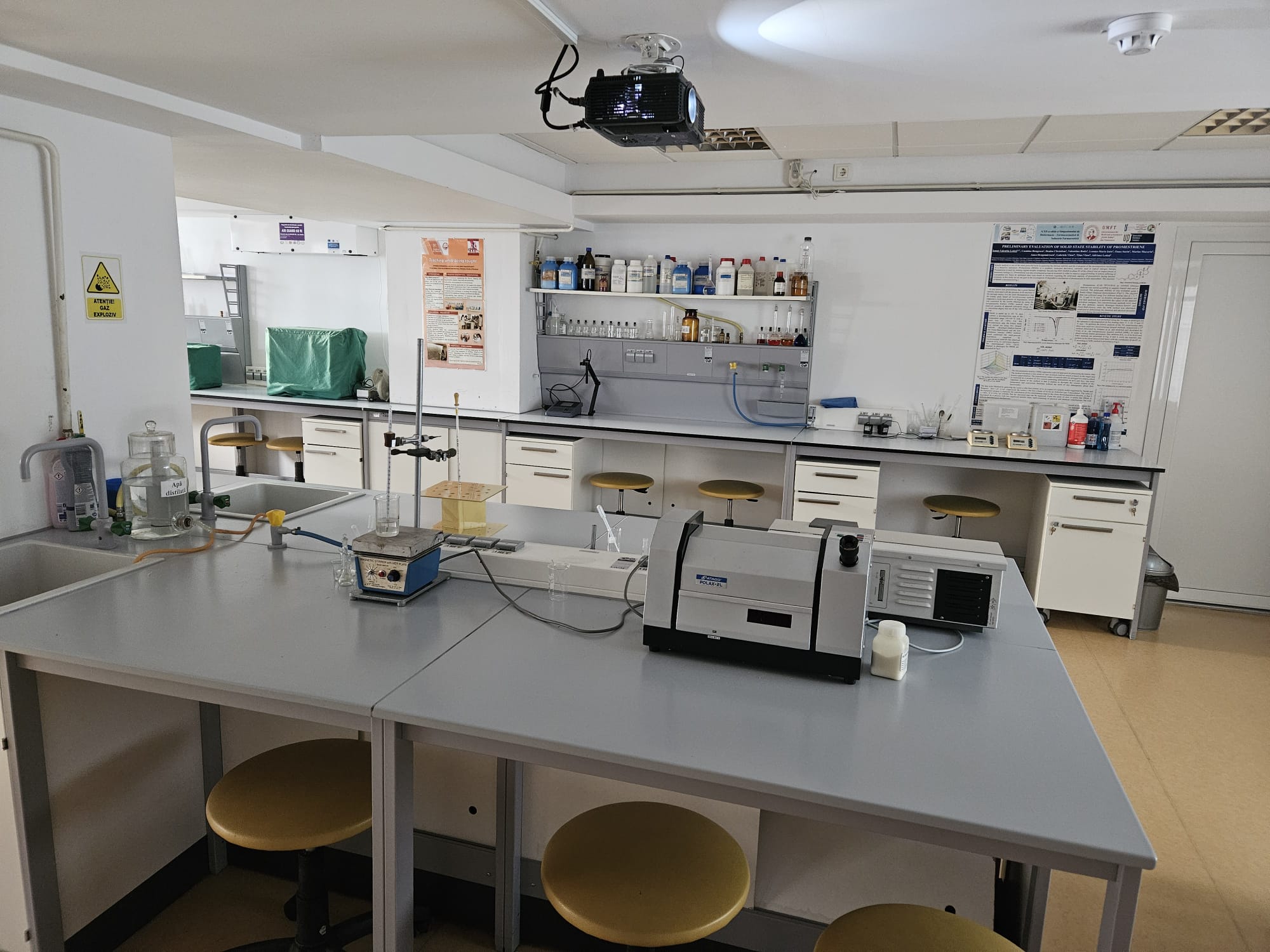
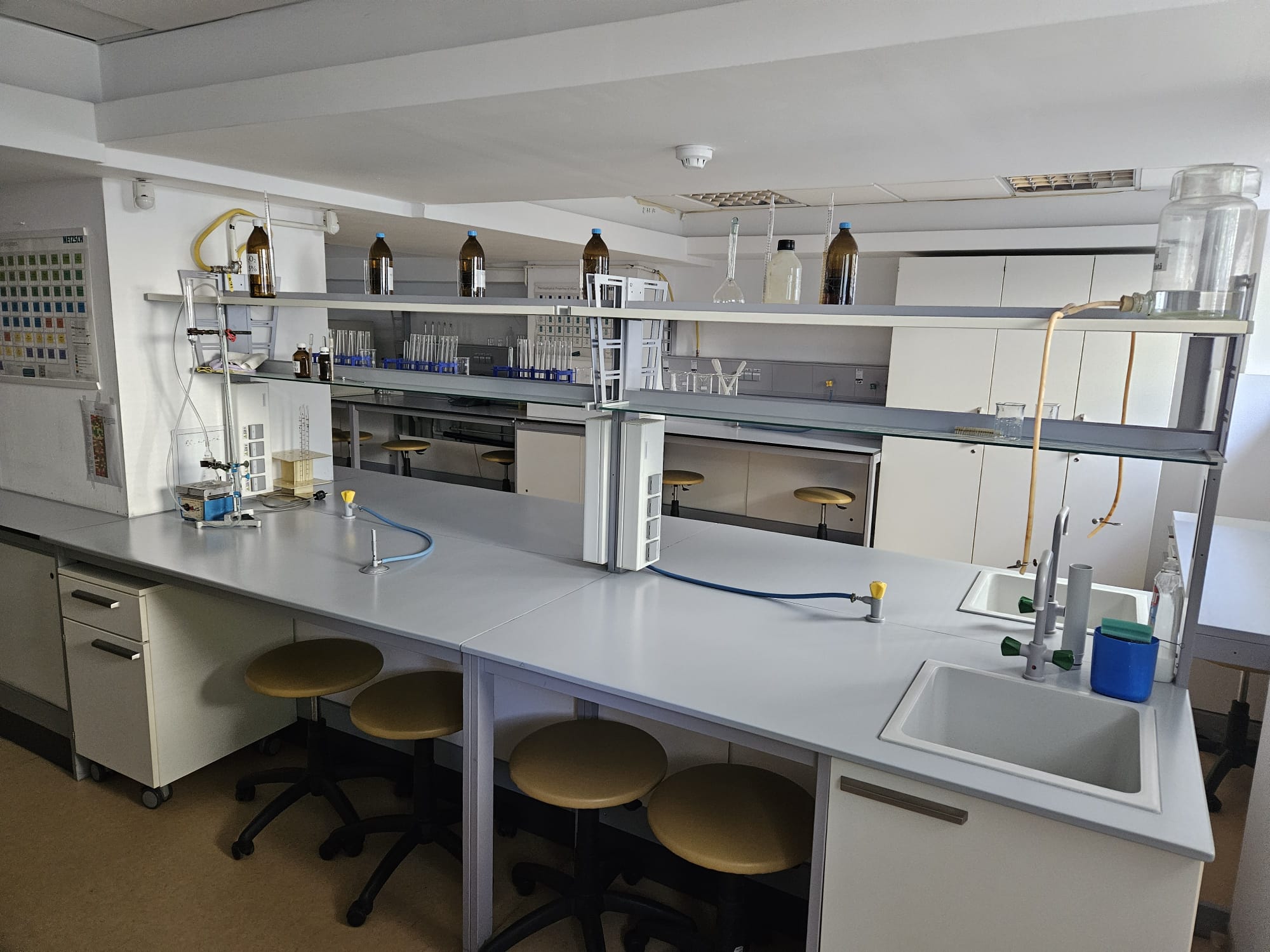
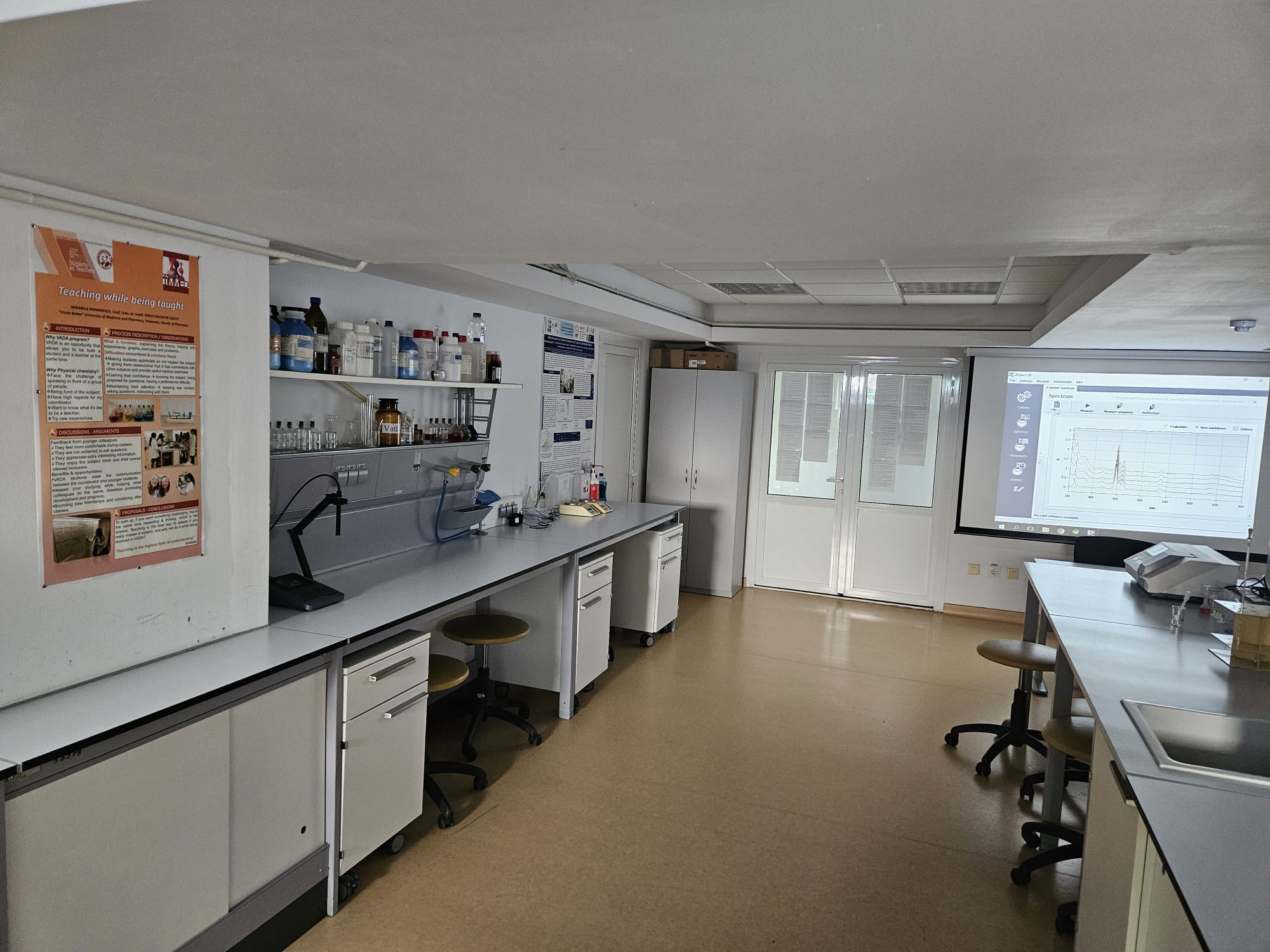
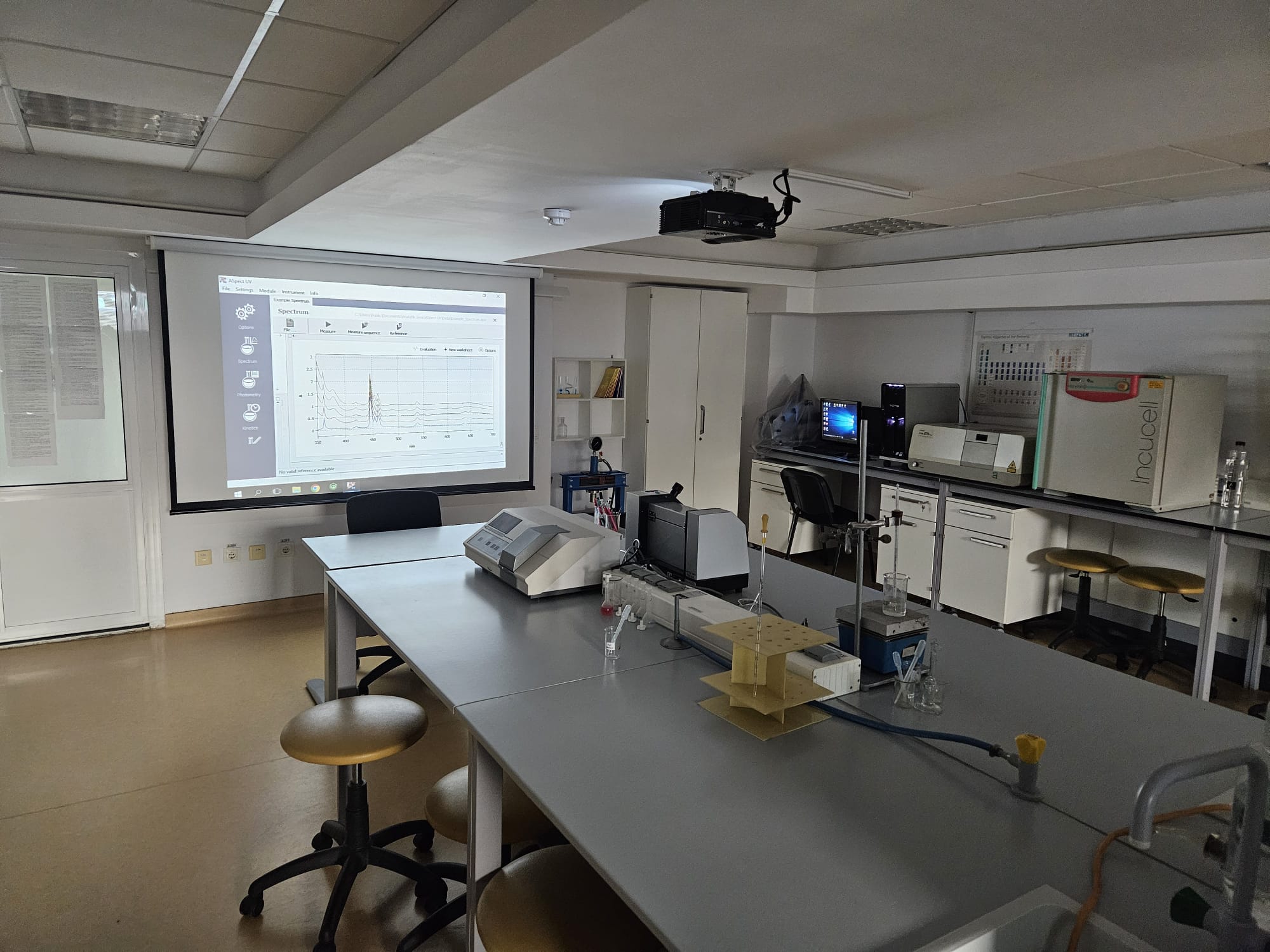
During 1993-1995, the practical works were carried out under the supervision of Dr. chem. Traian Sulea in the Physical Chemistry laboratory of the West University of Timişoara, the discipline not having its own laboratory. In the period 1996-1999, the leading of the laboratories is the responsibility of Mrs. Chem. Gabriela Suru, a scientific researcher at the Timişoara Institute of Chemistry of the Romanian Academy. At the same time, during this period, the arrangement and equipment of an own laboratory of the discipline were initiated, in a building made available to the students of Pharmacy by the University of Medicine and Pharmacy from Timişoara. The endowment of the laboratory equipment was made considering the specifics of the discipline, in close connection with the needs of the specialized disciplines in the pharmaceutical field.
The final accreditation of the Faculty of Pharmacy in 2000 also led to a consolidation of the Physical Chemistry discipline, by obtaining new equipments. In the period 1999-2004, the discipline was joined by Mr. assistant chemist Dan Fara, a graduate of the West University of Timişoara, and in the period 2004-2008, the position of junior teaching assistant was occupied by Ms. Claudia Temereancă, a graduate of our faculty. She held the position of junior teaching assistant until the academic year 2007-2008. In October 2008 the disciplined was joined by Mr. Ionuţ-Valentin Ledeţi, who gets the position of junior teaching assistant in February 2009, taking over the leading of the laboratories. Since the fall of 2017, the discipline has been joined by the pharm. Sebastian-Claudiu Simu, as an external corroborator, then occupied the position of university assistant starting with the academic year 2018-2019. Currently, Mr. Sebastian-Claudiu Simu holds the position of lecturer within the discipline, starting with the academic year 2023-2024.
In 1998, the study section “Pharmacy in French” was established, which still operates within the faculty. During 1998-2009, the Physical Chemistry courses in French were taught by professor Ludovic Kurunczi, and the management of the practical stages was taken over starting 1999 by the late Dr. Chim. Georgeta-Maria Simu, as an external corroborator, a second-degree researcher at the Timişoara Institute of Chemistry of the Romanian Academy. In 2009, Dr. Georgeta-Maria Simu held the position of full-time associate professor in the discipline, taking over the teaching of courses at the French section. After the retirement of professor Ludovic Kurunczi in 2012, the teaching of the Physical Chemistry course was provided until 2017 by professor Georgeta-Maria Simu and associate professor Ionuţ-Valentin Ledeţi. In addition, the discipline provided the teaching of the course Principles of Physical Chemistry (2012–2016), currently titled Physico-Chemical Bases of Drug Preformulation, for the Pharmacy Assistant program at the Lugoj extension (starting with the 2017–2018 academic year), as well as at the Deva extension. Beginning with the 2025/2026 academic year, the department will also provide the course Physical Chemistry for the Pharmacy program taught in English. Until 2012, the discipline also ensured the teaching of the course Methodology of Pharmaceutical Scientific Research, delivered by Prof. Dr. Kurunczi.
Starting in September 2025, the Department of Physical Chemistry becomes the Department of Physical Chemistry and Pharmaceutical Physics, following the institutional reorganization process and the integration of the Department of Pharmaceutical Physics.
The discipline of Pharmaceutical Physics has been part of the “Victor Babeș” University of Medicine and Pharmacy in Timișoara since 1991, when the Faculty of Pharmacy was established. Until 2013, the activity of the discipline was coordinated by Prof. Adrian Neagu, Head of the Department of Biophysics within the Faculty of Medicine. Beginning in 2014, the discipline became an independent structure within the Faculty of Pharmacy and was further developed by a team consisting of Assoc. Prof. Valentin Ordodi, Assist. Prof. Angelica Caunii, Prof. Zoltán Szabadai, and Dr. Mirela Nicolov; in 2016, Assist. Prof. Claudia-Geanina Watz (Farcaș) joined the team. With the support of the faculty and university leadership, Prof. Zoltán Szabadai and Assist. Prof. Mirela Nicolov established a modern framework for practical activities, emphasizing the relevance of physics in understanding processes and applications in the pharmaceutical field.
In the 2025/2026 academic year, the discipline provides teaching activities according to the curricula for the following study programs: the course Pharmaceutical Physics for the Pharmacy program (Romanian, French, and English tracks), in the first year, first semester, with 2 hours of lectures and 2 hours of laboratory work per week; the course Elements of Applied Biophysics at the ASF Deva extension, with 2 hours of lectures and 2 hours of laboratory work; and the course Physics and Applied Biophysics within the Medical Cosmetics and Cosmetic Product Technology program, in the second semester, with 1 hour of lecture and 1 hour of laboratory work per week.
Within the fundamental disciplines studied during the first years of training (Year I – Pharmacy and Pharmacy Assistant programs), the course Pharmaceutical Physics provides students with the conceptual foundation necessary to understand the physical processes involved in the functioning of biological systems and in pharmaceutical applications, while also establishing the theoretical basis for the subsequent study of Physical Chemistry in the second year. The course begins with general notions concerning physical quantities and units of measurement, continues with elements of mechanics (Newtonian principles, conservation laws, equilibrium of rigid bodies, levers and balances), and develops concepts related to ideal and real fluids, with applications in hemodynamics and the pharmaceutical field. Topics in molecular physics, surface phenomena, and transport processes (diffusion, osmosis) are addressed, along with the principles of thermodynamics, illustrated through examples from biophysics. The course also covers heat transfer, the physical and chemical properties of solutions, electrical and magnetic phenomena, elements of electrodynamics and electromagnetism, emphasizing their relevance to biomedical sciences. In addition, acoustic phenomena (sound, ultrasound), optical phenomena (geometrical, wave, and photonic optics), laser physics, radioactivity, and the applications of radiation in pharmaceutical physics and medical biophysics are presented. The final part of the course introduces elements of the biophysics of the nucleus and the cell, the properties of the cell membrane, and the mechanisms of transmembrane transport, including aspects of synaptic transmission and chemical mediators, thus integrating the foundations of physics into the understanding of biologically relevant processes in the pharmaceutical field.
Physical Chemistry, in turn, familiarizes students with a range of concepts essential for understanding the “chemical phenomenon” and highlights its importance in approaching specialized disciplines such as Pharmaceutical Chemistry, Biopharmacy, Pharmacokinetics, Pharmaceutical Technology, and Drug Analysis.
The content of the courses and the analytical programs of the discipline has been constantly improved, currently being in line with those of similar disciplines from the other faculties of pharmacy in the country, but also from prestigious university centers in Europe. At the European level, in many universities with pharmaceutical training, the Physical Chemistry discipline is complemented by independent courses in Colloidal Chemistry, Solid State Chemistry, or chapters of the discipline are taught in a modular system (Thermodynamics, Spectroscopy, Kinetics, Electrochemistry, Colloids, etc.). Within our faculty, the discipline of Physical Chemistry ensures the teaching of all these chapters in a unitary analytical program. Thus, the Physical Chemistry course in the first semester aims to familiarize students with classical and statistical thermodynamics (thermodynamics of phase transformations, equilibrium constants, chemical potential, the heat of reaction, etc.), presents the importance of chemical bonds and structure in determining physical properties (polarity, aggregation states, etc.) and chemical (reactivity vs. stability). At the same time, in the first semester, some basic notions related to radiochemistry, radionuclides, and radiopharmaceuticals are presented. In the second semester, the Physical Chemistry course is structured in several chapters: molecular spectroscopy (the physical basis of the appearance of spectra and their importance in the instrumental analysis of the drug), states of aggregation (properties of fluids and solids of pharmaceutical interest), electrochemistry formation of electrolyte and non-electrolyte solutions, the significance of pH and buffer use, acid-base nature of drugs and their forms in vivo), formal kinetics and kinetics of enzymatic reactions, dispersed systems (interphase properties and adsorption, stability of dispersed systems, stabilization methods and their importance in pharmaceutical technology). At present, the practical works are correlated and adapted in each semester with the course content.
The practical laboratory sessions in Physics are closely aligned with the course content and aim to familiarize students with experimental methods relevant to the pharmaceutical field. The activity begins with laboratory safety regulations and elements of error theory, essential for developing proper experimental conduct. Students determine the density of solids (tablets, coated tablets, and regularly shaped bodies) and liquids using densimeters and pycnometers, and subsequently investigate important physical properties such as surface tension and its variation with density and concentration. The flow properties of liquids are also studied through the determination of dynamic and kinematic viscosity coefficients (Höppler and Ubbelohde methods), as well as gas behavior by verifying Boyle–Mariotte’s law and determining the universal gas constant. Transport processes are examined by determining the diffusion coefficient. In addition, the variation of the refractive index of transparent liquid media as a function of concentration is analyzed, highlighting the importance of these measurements in the control and characterization of substances used in the pharmaceutical field.
In Physical Chemistry, during the first semester, practical work focuses on thermodynamics (partial molar quantities, partition equilibrium, binary solid–liquid equilibrium, thermal effects in solutions, colligative properties) and structural investigations (refractometry, molar refraction, polarimetry). In the second semester, laboratory sessions cover chemical kinetics, UV–Vis and FTIR spectroscopy, colloidal chemistry, and electrochemistry.
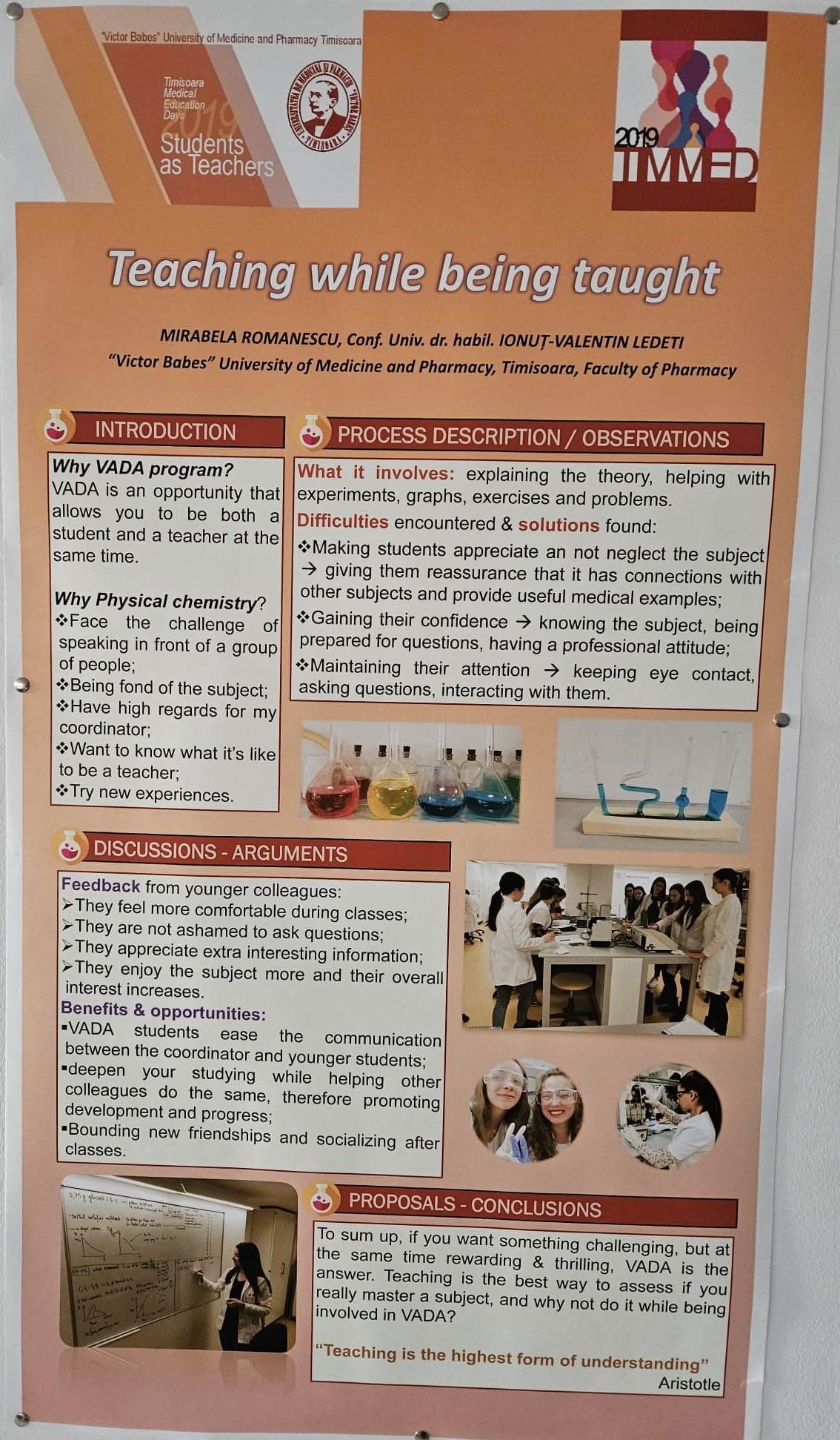
Within the laboratory works, the tutoring system has been practiced since 2012, through which students from years III-V are involved in the development of practical works, guiding their younger colleagues together with the group assistant. In this sense, we mention the students Bogdan Dragoş (graduate 2012), Elena Minea (graduate 2014), Mihai Moghioroş (graduate 2014), Diana Petrean (graduate 2016), Ana-Maria Igaş (graduate 2016), Marcela Marcu (graduate 2017), Mădălina Ispas (graduate 2017), Mălina Lupşescu (graduate 2017), Sebastian Simu (graduate 2017), Cătălin Grozav (graduate 2017), Mădălina Mincan (graduate 2017), Claudia Cărpenişan (graduate 2017), Larisa Pop (graduate 2017), Iulia Vladu (graduate 2017), Iuliana Florea (graduate 2018), Paul Vasiloni (graduate 2018) as well as students from the French series: Bouani Bouthaina (graduate 2015), Fessi Sabrine (graduate 2015), Ben Salah Ons, Ben Jmaa Slima, Haddad Edyl and Cherni Asma (2016 graduates). Starting with the 2017-2018 academic year, the “Volunteering in Academic Development” (VADA) student volunteer program with exceptional results was attended by “ten-grade students in Physical Chemistry” students: Sara-Luiza Bîc (5th grade) and Mirabela Romanescu (year IV).
Students have been active in the field of scientific research since 2012: Applications of physical chemistry in the study of pharmaceuticals and/or compounds with potential biological activity. The scientific activities of the circle foresee the extension of some notions discussed in the course and aim, especially at the students who carry out their bachelor’s theses and dissertations within the discipline.
The discipline currently ensures the teaching of the optional course Drug Design – addressed to students in the third year of the Pharmacy series (semester I). The course was introduced in 1995 under the name Quantitative Structure-Activity Relations (QSAR) / Drug Design. At present, the course aims to familiarize the pharmacist student with notions related to drug research in the preclinical phase of identifying molecular structures with the potential to become drugs; and establish connections between the notions acquired by students in fundamental and specialized disciplines. the phase of drug discovery, respectively the completion of the knowledge regarding the drug research (rational design).
In the period 2016-2018, and currently from 2023, the discipline also ensured and ensures the teaching of a new optional course, namely the Polymorphism of Medicinal Substances – addressed to students in the 5th year of the Pharmacy series (first semester). The course’s main objectives were to familiarize the student with the importance of the solid-state of bioactive compounds, the polymorphic transformations that may occur, but also aspects related to methods of obtaining and characterizing polymorphic forms and their importance in terms of optimizing bioavailability.
Graduates of undergraduate studies may also opt for enrollment in doctoral studies, under the leadership of professor Ionuţ-Valentin Ledeţi, Ph.D., doctoral supervisor at the Doctoral School of the Polytechnic University of Timişoara, in Chemistry domain (habilitation thesis defended on December 8, 2017, confirmed by the Order of the Minister OMEN no.3367 / 22.03.2018). Currently, professor Ionuţ-Valentin Ledeţi leads the activity of 4 doctoral students (one chemist and three pharmacists), the topic of their theses aiming at the physical chemistry of active pharmaceutical ingredients.
Currently, within the discipline of Physical Chemistry, the scientific research activity is focused in three directions, namely:
- Synthesis, physico-chemical characterization (spectroscopic techniques and thermal analysis) and screening of the biological activity of new organic compounds of synthesis or semisynthesis, respectively of some coordination combinations with their transitional ions;
- Studies of thermal stability in solid-state of some substances of pharmaceutical interest or with a potential biological activity using classical and isoconversional kinetic methods, respectively establishing the mechanism of their decomposition;
- Compatibility studies of some substances of pharmaceutical interest with various solid-state pharmaceutical excipients (preformulation studies) by various instrumental techniques (thermal analysis, powder X-ray diffraction, FTIR spectroscopy, etc.).
Members of the Pharmaceutical Physics discipline, Dr. Mirela Nicolov and Prof. Dr. Zoltán Szabadai, initiated, together with the research teams from the Pharmaceutical Chemistry and Toxicology disciplines, a study on the synthesis and characterization of organic crystals derived from pentacyclic triterpenes, within the framework of the Romania–France “Brâncuși” Contract no. 791/30.06.2014 (“Obtaining Microcrystals of Pentacyclic Triterpenes and Studying Their Pharmacotoxicological Modifications on Experimental Models”).
This research activity was further developed through collaborations with Prof. Dr. Nicolae Avram (member of the Romanian Academy), within the Doctoral School of Physics at the West University of Timișoara, focusing on the structural, optical, electronic, and spectral characteristics of these crystalline materials, as well as with the research groups led by Dr. Christian Jelsch (University of Lorraine, Nancy) and Prof. Dr. Simona Pînzaru (Babeș-Bolyai University, Cluj-Napoca).
Assoc. Prof. Dr. Mirela Nicolov also collaborates with Prof. István Zupkó and Dr. Rita Ambrus (University of Szeged), while Dr. Claudia Watz (Farcaș) conducts research activities together with the Toxicology research group coordinated by Prof. Dr. Cristina Dehelean, in the field of in vitro studies using normal and tumor cell cultures and reconstructed 3D human tissue models, aimed at evaluating the pharmacotoxicological profile of various pharmaceutical formulations, biomaterials, and nanostructures.
In the period 2014-2024, the members of the Physical Chemistry discipline participated in the following research projects:
- Professor Georgeta-Maria Simu – project manager, P3 Partner (UMFT Victor Babeş Timişoara), Grant PN-II-PT-PCCA, contract 110/2014, “Advanced recovery of useful products from used catalyst waste”, 2014-2017, Director project: Dr. Otilia Costişor, total funding RON 1,250,000;
- Lecturer Ionuţ-Valentin Ledeţi – project director, Project PII-C2-TC-2014-16498-08, “Studies on the synthesis, characterization, physicochemical behavior and evaluation of bioactivity by a complex screening of triazole and triterpene derivatives (SYNT)”, 2014, total financing RON 22,500;
- Lecturer Ionuţ-Valentin Ledeţi – project manager, P1 Partner (UMFT Victor Babeş Timişoara), Project PIII-C1-PCFI-2014 / 2015-03, “Synthesis of compounds with potential antitumor activity through derivatization reactions and their characterization by hyphenated techniques. Evaluation of antiangiogenic, antineoplastic and anti-inflammatory activity (SYNTANTITUM)”, 2014-2015, Project Director: Assoc. Adriana-Violeta Fuliaş, total financing RON 135,000;
- Lecturer Ionuţ-Valentin Ledeţi – postdoctoral researcher, member of the target group, Project POSDRU / 159 / 1.5 / S / 137750, “Study of thermally induced interactions in bioactive compounds by hyphenated and complementary techniques”, 2014-2015.
- Associate professor Ionuţ-Valentin Ledeţi – project director, Program PIII-C3-PCFI-2016 / 2017-02, “Fundamental interdisciplinary research on monitoring, evaluation and correlation of lithogenic processes with etiopathogenic aspects through innovative instrumental screening (STONES)”, total funding 135,000 RON ;
- Associate professor Ionuţ-Valentin Ledeţi – postdoctoral researcher, Program PN-II-RU-TE-2014-4-0515 – TE 189, Contract no. 189 / 01.10.2015 “Neurodegeneration and brain diseases: a new instrumental approach to the analysis and development of some pharmaceutical forms”, 2015-2017, project director: professor Adriana-Violeta Ledeţi, total financing 495,000 RON;
- Associate professor Ionuţ-Valentin Ledeţi – project director, Program PN-III-P1-1.1-TE-2016-1165, Contract no. TE125 / 10.10.2018 “Hyphenated and complementary instrumental techniques for analysis, control, and recovery of bioactive compounds used in hormone therapies”, 2018-2020, total funding RON 450,000;
- Professor Ionuţ-Valentin Ledeţi – post-doctoral researcher, Program PN-III-P1-1.1-TE-2019-1573, contract no. TE101 “Enzymatic synthesis of biodegradable oligoesters by a green cascade process”, 2020-2022 total funding RON 431,900.
The members of the Physical Chemistry and Pharmaceutical Physics discipline are the main authors and co-authors of over 300 scientific articles published in ISI-listed journals. Of these, the following can be mentioned that are published in the last 5 years:
- Bianca Baul, Adriana Ledeţi*, Denisa Cîrcioban, Amalia Ridichie, Titus Vlase, Gabriela Vlase, Francisc Peter*, Ionuţ Ledeţi – Thermal Stability and Kinetics of Degradation of Moxonidine as Pure Ingredient vs. Pharmaceutical Formulation, Processes, 2023, 11(6), 1738; DOI10.3390/pr11061738;
- Cosmina Bengescu, Adriana Ledeţi, Tudor Olariu, Cîrcioban Denisa, Cornelia Muntean*, Gabriela Vlase, Titus Vlase, Carmen Tomoroga, Anca Octavia Dragomirescu, Daniela Dascălu, Lenuţa-Maria Şuta, Ionuţ Ledeţi, Marius Murariu – Instrumental investigations of promestriene: first report regarding the solid-state characterization and compatibility with pharmaceutical excipients, Journal of Thermal Analysis and Calorimetry, 2023, 148; 4641-4649; DOI10.1007/s10973-023-11942-7;
- Sebastian Simu, Adriana Ledeți, Elena-Alina Moacă*, Cornelia Păcurariu, Cristina Dehelean, Dan Năvolan, Ionuț Ledeți – Thermal Degradation Process of Ethinylestradiol-Kinetic Study, Processes, 2023, 10(8), art. no. 1518, 3390/pr10081518;
- Mirabela Romanescu, Valentina Buda, Adelina Lombrea, Monodora Andor, Ionuț Ledeți, Maria Suciu, Corina Danciu, Cristina Dehelean, Liana Dehelean – Sex-Related Differences in Pharmacological Response to CNS Drugs: A Narrative Review, Journal of Personalized Medicine, 2022, 12(6), art. no. 907, DOI10.3390/jpm12060907;
- Valentina Buda, Minodora Andor, Anca Tudor, Octavian Crețu, Carmen Cristescu, Corina Danciu, Ionuț Ledeți, Zorin Crăiniceanu, Mircea Onel, Diana Aurora Bordejevic, Mirela Cleopatra Tomescu, Oana Suciu, Lucian Petrescu, Dana Emilia Man – The Plasma Level Of Soluble Endoglin In Hypertensive Patients Undergoing Long-Term Treatment With Candesartan, Farmacia, 2022, 70(1), 90-101, DOI10.31925/farmacia.2022.1.14;
- Laura Sbârcea, Ionuț-Mihai Tănase, Adriana Ledeți, Denisa Cîrcioban, Gabriela Vlase, Paul Barvinschi, Marinela Miclău, Renata-Maria Văruţ, Oana Suciu, Ionuț Ledeți – Risperidone/Randomly Methylated β-Cyclodextrin Inclusion Complex—Compatibility Study with Pharmaceutical Excipients, Molecules, 2021, 26(6), 1690; https://doi.org/10.3390/molecules26061690;
- Laura Sbarcea, Ionut-Mihai Tanase, Adriana Ledeti*, Denisa Circioban,Gabriela Vlase, Paul Barvinschi, Marinela Miclau, Renata-Maria Varut, Cristina Trandafirescu, Ionut Ledeti – Encapsulation of Risperidone by Methylated beta-Cyclodextrins: Physicochemical and Molecular Modeling Studies, Molecules, 2020, 25(23), art.no. 5694; DOI: 10.3390/molecules25235694 ;
- Denisa Circioban, Ionuţ Ledeţi, Lenuta-Maria Suta, Gabriela Vlase, Adriana Ledeti*, Titus Vlase, Renata Varut, Laura Sbarcea, Cristina Trandafirescu, Cristina Dehelean – Instrumental analysis and molecular modelling of inclusion complexes containing artesunate, Journal of Thermal Analysis and Calorimetry, 2020, 142(5);1951-1961; DOI: 10.1007/s10973-020-09975-3 ;
- Denisa Circioban, Adriana Ledeti*, Gabriela Vlase, Titus Vlase, Cristina Dehelean, Ionuţ Ledeţi – Thermal stability and kinetic degradation study for dihydroartemisinin – Journal of Thermal Analysis and Calorimetry, 2020, 142(5); 2131-2139; DOI: 10.1007/s10973-020-09902-6;
- Denisa Circioban, Adriana Ledeti*, Gabriela Vlase, Ionuţ Ledeţi, Titus Vlase, Renata Varut, Ioana-Zinuca Pavel, Cristina Dehelean – Preparation, physicochemical characterization and biological activity evaluation of some inclusion complexes containing artesunate, Journal of Thermal Analysis and Calorimetry, 2020, 141(3); 1041-1051; DOI: 10.1007/s10973-020-09763-z;
- Ionut-Mihai Tanase, Laura Sbarcea*, Adriana Ledeti, Paul Barvinschi, Denisa Circioban, Gabriela Vlase, Renata-Maria Varut, Ionuţ Ledeţi – Compatibility studies with pharmaceutical excipients for aripiprazole-heptakis (2,6-di-O-methyl)-beta-cyclodextrin supramolecular adduct, Journal of Thermal Analysis and Calorimetry, 2020, 142(5); 1963-1976; DOI: 10.1007/s10973-020-09901-7;
- Ionuț Ledeți, Mirabela Romanescu, Denisa Circioban, Adriana Ledeți*, Gabriela Vlase, Titus Vlase, Oana Suciu*, Marius Murariu*, Sorin Olariu, Pentru Matusz, Valentina Buda, Doina Piciu – Stability and Compatibility Studies of Levothyroxine Sodium in Solid Binary Systems-Instrumental Screening, Pharmaceutics, 2020, 12(1); art.58; DOI: 10.3390/pharmaceutics12010058;
- Valentina Buda, Bianca Baul, Minodora Andor, Dana Emilia Man, Adriana Ledeți*, Gabriela Vlase, Titus Vlase, Corina Danciu, Petru Matusz, Francisc Peter, Ionuț Ledeți – Solid State Stability and Kinetics of Degradation for Candesartan-Pure Compound and Pharmaceutical Formulation, Pharmaceutics, 2020, 12(2); art.86; DOI: 10.3390/pharmaceutics12020086 ;
- Ionuț Ledeți, Cosmina Bengescu, Denisa Circioban, Gabriela Vlase, Titus Vlase, Carmen Tomoroga, Valentina Buda, Adriana Ledeți*, Anca Dragomirescu, Marius Murariu – Solid-state stability and kinetic study of three glucocorticoid hormones: prednisolone, prednisone and cortisone, Journal of Thermal Analysis and Calorimetry, 2020, 141(3); 1053-1065, DOI: 10.1007/s10973-020-09534-w ;
- Ionuț-Mihai Tănase, Laura Sbârcea*, Adriana Ledeți, Gabriela Vlase, Paul Barvinschi, Renata-Maria Văruţ, Anca Dragomirescu, Carmen Axente, Ionuț Ledeți – Physicochemical characterization and molecular modeling study of host-guest systems of aripiprazole and functionalized cyclodextrins, Journal of Thermal Analysis and Calorimetry, 2020, 141(3); 1027-1039, DOI: 10.1007/s10973-020-09549-3 ;
- Anamaria Todea, Diana Aparaschivei, Ioan Bitcan, Ionuț V. Ledeți, Geza Bandur, Francisc Peter*, Lajos Nagy, Sandor Keki, Emese Biro – Thermal behavior of oligo[(epsilon-caprolactone)-co-delta-gluconolactone] enzymatically synthesized in reaction conditions optimized by experimental design, Journal of Thermal Analysis and Calorimetry, 2020, 141(3); 1017-1026, DOI: 10.1007/s10973-020-09557-3;
- Iulia Păușescu, Anamaria Todea, Valentin Badea, Francisc Peter, Mihai Medeleanu*, Ionuț Ledeți, Gabriela Vlase, Titus Vlase, Optical and thermal properties of intelligent pH indicator films based on chitosan/PVA and a new xanthylium dye, Journal of Thermal Analysis and Calorimetry, 2020, 141(3); 999-1008, DOI: 10.1007/s10973-019-08911-4;
- Valentina Buda, Minodora Andor, Dana Emilia Baibata, Ramona Cozlac, Gabriela Radu, Dorina Coricovac, Corina Danciu, Ionuţ Ledeţi, Adelina Cheveresan, Cristian Nica, Paul Tuduce, Mirela Cleopatra Tomescu – Decreased sEng plasma levels in hypertensive patients with endothelial dysfunction under chronic treatment with Perindopril, Drug Design Development And Therapy, 2019, 13, 1915-1924; DOI: 10.2147/DDDT.S186378;
- Valentina Buda, Minodora Andor, Carmen Cristescu, Mirela Cleopatra Tomescu, Danina Muntean, Dana Emilia Baibata, Diana Aurora Bordejevic, Corina Danciu, Olivia Dalleur, Dorina Coricovac, Zorin Crăiniceanu, Anca Tudor, Ionuţ Ledeţi, Lucian Petrescu – Thrombospondin-I Serum Levels In Hypertensive Patients With Endothelial Dysfunction After One Year Of Treatment With Perindopril, Drug Design Development And Therapy, 2019, 13, 3515-3526; DOI: 10.2147/DDDT.S218428;
- Denisa Circioban, Ioana Zinuca Pavel*, Adriana Ledeţi, Ionuţ Ledeţi, Corina Danciu, Cristina Dehelean-Cytotoxic Activity Evaluation on Breast Cells of Guest-host Complexes Containing Artemisinin – Revista de Chimie –Bucharest, 2019, 70(8), 2843-2846, https://doi.org/10.37358/RC.19.8.7439;
- Laura Sbârcea, Adriana Ledeţi*, Lucreţia Udrescu, Renata-Maria Văruţ, Paul Barvinschi, Gabriela Vlase, Ionuţ Ledeţi – Betulonic acid—cyclodextrins inclusion complexes, Journal of Thermal Analysis and Calorimetry, 2019, 138(4); 2787-2797; DOI: 11007/s10973-019-08359-6;
- Mihaela Cristea, Bianca Baul, Ionuţ Ledeţi*, Adriana Ledeţi, Gabriela Vlase, Titus Vlase, Bożena Karolewicz, Oana Ştefănescu, Anca Octavia Dragomirescu, Cezara Mureşan, Dan-Simion Cipu, Dana Velimirovici, Mircea Ştefănescu – Preformulation studies for atorvastatin calcium, Journal of Thermal Analysis and Calorimetry, 2019,138(4); 2799-2806; DOI: 1007/s10973-019-08798-1 ;
- Cristina Trandafirescu#, Ionuţ Ledeţi#, Codruţa Şoica*, Adriana Ledeţi, Gabriela Vlase, Florin Borcan, Cristina Dehelean, Dorina Coricovac, Roxana Racoviceanu, Zoltán Aigner – Albendazole-cyclodextrins binary systems. Thermal and spectral investigation on drug-excipient interaction, Journal of Thermal Analysis and Calorimetry, 2019,138(5); 3039-3054; DOI: 1007/s10973-019-08326-1;
- C. G. Farcaș, C. Dehelean, I.A. Pînzaru, M. Mioc, V. Socoliuc, E.-A. Moacă, Ș. Avram, R. Ghiulai, D. Coricovac, I. Pavel, P.K. Alla, O.M. Crețu, C. Șoica, F. Loghin – Thermosensitive Betulinic Acid-Loaded Magnetoliposomes: A Promising Antitumor Potential for Highly Aggressive Human Breast Adenocarcinoma Cells under Hyperthermic Conditions, International Journal of Nanomedicine, 2020, 15, 8175–8200; DOI:10.2147/IJN.S269630; IF: 6.4, Q1
- C. G. Farcaș, I. Macașoi, I. Pînzaru, M. Chiriță, M.C.C. Mihăilă, C. Dehelean, Ș. Avram, F. Loghin, L. Mocanu, V. Rotaru, A. Ieta, A. Ercuța, D. Coricovac – Controlled Synthesis and Characterization of Micrometric Single Crystalline Magnetite with Superparamagnetic Behavior and Cytocompatibility/Cytotoxicity Assessments, Frontiers in Pharmacology, 2020, 11, 410; DOI:10.3389/fphar.2020.00410; IF: 5.81, Q1
- A. Faur#, C. Watz#, E.-A. Moacă, Ș. Avram, F. Borcan, I. Pînzaru, A. Iftode, M. Nicolov, R.A. Popovici, M. Raica, C.A. Szuhanek, C. Dehelean – Correlations on Phenolic Screening Related to In Vitro and In Ovo Assessment of Ocimum basilicum L. Hydro-Alcoholic Extracts Used as Skin Active Ingredient, Molecules, 2020, 25, 5442; DOI:10.3390/molecules25225442; IF: 3.623, Q1
- C. A. Szuhanek, C.G. Watz*, Ș. Avram, E.-A. Moacă, C.V. Mihali, A. Popa, A.A. Campan, M. Nicolov, C.A. Dehelean – Comparative Toxicological In Vitro and In Ovo Screening of Different Orthodontic Implants Currently Used in Dentistry, Materials, 2020, 13, 5690; DOI:10.3390/ma13245690; IF: 3.623, Q1
- A. Popa, C. Dehelean, H. Calniceanu*, C. Watz*, S. Brad, C. Sinescu, O.A. Marcu, C.S. Popa, Ș. Avram, M. Nicolov, C.A. Szuhanek – A Custom-Made Orthodontic Mini-Implant—Effect of Insertion Angle and Cortical Bone Thickness on Stress Distribution with a Complex In Vitro and In Vivo Biosafety Profile, Materials, 2020, 13, 4789; DOI:10.3390/ma13214789; IF: 3.623, Q1
- D. Pop, R. Buzatu, E.-A. Moacă*, C.G. Watz*, S. Cînta-Pînzaru, L.B. Tudoran, F. Nekvapil, Ș. Avram, C.-A. Dehelean, M.O. Crețu, M. Nicolov, C. Szuhanek, A. Jivănescu – Development and Characterization of Fe₃O₄@Carbon Nanoparticles and Their Biological Screening Related to Oral Administration, Materials, 2021, 14, 3556; DOI:10.3390/ma14133556; IF: 3.623, Q1
- E. -A. Moacă#, C.-G. Watz#, V. Socoliuc, R. Racoviceanu, C. Pacurariu, R. Ianoș, S. Cînta-Pînzaru, L.B. Tudoran, F. Nekvapil, S. Iurciuc, C. Șoica, C.-A. Dehelean – Biocompatible Magnetic Colloidal Suspension Used as a Tool for Localized Hyperthermia in Human Breast Adenocarcinoma Cells: Physicochemical Analysis and Complex In Vitro Biological Profile, Nanomaterials, 2021, 11, 1189; DOI:10.3390/nano11051189; IF: 5.076
- M. Nicolov, M. Cocora, V. Buda, C. Danciu, A.O. Dușe, C. Watz, F. Borcan – Hydrosoluble and Liposoluble Vitamins: New Perspectives through ADMET Analysis, Medicina, 2021, 57, 1204; DOI:10.3390/medicina57111204; IF: 2.43
For the individual study, the students have access at the electronic version (pdf format) of the slides projected during the lectures, as well as a series of books written by the members of the discipline:
Physical Chemistry
- Ionuţ-Valentin Ledeţi, Georgeta Maria Simu, Sebastian-Claudiu Simu, Chimie fizică aplicată pentru farmacişti – Termodinamică clasică, Proprietăţi structurale ale moleculelor (I), Editura Victor Babeş, Timişoara, 2023, ISBN 978-606-786-339-0;
- Ionuţ-Valentin Ledeţi, Georgeta Maria Simu, Sebastian-Claudiu Simu, Applied Physical Chemistry for Pharmacy Students – Classical thermodynamics, Structural properties of molecules (I), Editura Victor Babeş, Timişoara, 2023, ISBN 978-606-786-314-7;
- Ionuţ-Valentin Ledeţi, Bazele fizico-chimice ale preformulării medicamentului – Volumul I: Structura materiei. Stări de agregare, Editura Mirton, Timişoara, 2018, ISBN 978-973-52-1771-6 general; ISBN 978-973-52-1772-3 volum I;
- Georgeta Maria Simu, Ludovic Kurunczi, Chimie Physique: Notes de cours. Tome premier: Thermodynamique et structure de la matière, Editura Victor Babeş, Timişoara, 2014, ISBN 978-606-8054-64-3, Vol I: 978-606-8054-65-0;
- Georgeta Maria Simu, Ludovic Kurunczi, Ionuţ-Valentin Ledeţi, Chimie Physique: Notes de cours. Tome Second: Spectroscopie, Cinétique et Colloïdes, Editura Victor Babeş, Timişoara, 2014, ISBN 978-606-8456-01-0;
- Ionuţ-Valentin Ledeţi, Georgeta Maria Simu, Chimie Physique Appliquée – Spectroscopie, Electrochimie, Cinétique chimique, Systèmes disperses, Editura Mirton, Timişoara, 2012, ISBN 978-973-52-1207-0;
- Georgeta Maria Simu, Ionuţ-Valentin Ledeţi, Chimie fizică aplicată pentru farmacişti (II), Editura Mirton, Timişoara, 2011, ISBN 978-973-52-1006-9;
- Georgeta Maria Simu, Ionuţ-Valentin Ledeţi, Chimie Physique Appliquée – Thermodynamique classique, Propriétés structurelles des molécules, Editura Mirton, Timişoara, 2011, ISBN 978-973-52-1103-5;
- Ludovic Kurunczi, Curs de chimie fizică şi coloidală pentru farmacişti, Editura Mirton, Timişoara, 2000, ISBN 973-585-248-9.
Pharmaceutical Physics
- M. Nicolov, Z. Szabadai – Physique Pharmaceutique. Travaux Pratiques, ediția a II-a revizuită și completată, Editura „Victor Babeș”, Timișoara, 2023, 243 p., ISBN 978-606-786-354-3.
- M. Nicolov, Z. Szabadai, C. Watz – Pharmaceutical Physics. Experimental Work, Editura „Victor Babeș”, Timișoara, 2023, 243 p., ISBN 978-606-786-328-4.
- M. Nicolov, Z. Szabadai, C. Watz – Pharmaceutical Physics. Part I: Mechanics, Thermodynamics, Molecular Physics, Physics of Liquids, Phenomena of Substance and Heat Transport, Biophysics of the Cell, Nucleus and Biological Membranes, Synaptic Transmission, Editura „Victor Babeș”, Timișoara, 2023, 307 p., ISBN general 978-606-786-325-3; ISBN vol. I 978-606-786-326-0.
- M. Nicolov, Z. Szabadai, C. Watz – Pharmaceutical Physics. Part II: Electricity, Magnetism, Electromagnetism, Sound and Ultrasound, Radioactivity, Lasers, Optics, Editura „Victor Babeș”, Timișoara, 2023, 317 p., ISBN general 978-606-786-325-3; ISBN vol. II 978-606-786-327-7.
- M. Nicolov, Z. Szabadai – Physique Pharmaceutique. Part I: Mécanique, Thermodynamique, Physique Moléculaire, Physique des Liquides, Phénomènes de Transport de la Substance et de la Chaleur, Biophysique de la Cellule, du Noyau et des Membranes Biologiques, Transmission Synaptique, Editura „Victor Babeș”, 2016.
- M. Nicolov, Z. Szabadai – Physique Pharmaceutique. Part II: Électricité, Magnétisme, Électromagnétisme, Son et Ultrasons, Radioactivité, Lasers, Optique, Physique Atomique et Nucléaire, Editura „Victor Babeș”, 2018.
- M. Nicolov, Z. Szabadai – Physique Pharmaceutique. Travaux Pratiques, Editura „Victor Babeș”, 2016.
- Z. Szabadai, M. Nicolov – Fizica Farmaceutică. Partea I: Mecanică, Termodinamică, Fizică Moleculară, Fizica Lichidelor, Fenomene de Transport, Editura „Victor Babeș”, 2016.
- . Szabadai, M. Nicolov – Fizica Farmaceutică. Partea II: Electricitate, Magnetism, Optică, Fizică Atomică, Editura „Victor Babeș”, 2018.
- M. Nicolov, Z. Szabadai – Fizica Farmaceutică – Aplicații experimentale, Editura „Victor Babeș”, 2019, 250 p., ISBN 978-606-133-4.